The Problem
Each year, over one billion birds die from collisions in the United States, with Chicago alone accounting for many of these deaths as a major migration hotspot for five million birds during the spring and fall. These birds become confused by the lights and glass of the city skyline, leading to traumatic injuries and frequent fatalities. A similarly overlooked problem is the impact of urbanization on bats; artificial noise and smooth surfaces like glass interfere with their echolocation, causing disorientation and fatal collisions. Additionally, while city lights attract some insects, fragmented green spaces and increased competition make it harder for bats to find high-quality food consistently. Despite these challenges, fewer people are motivated to help bats due to their stigmatization as "disease-ridden pests." In reality, both birds and bats are essential to our ecosystems, acting as "nature's gardeners" by providing billions of dollars in natural pest control, pollination, and seed dispersal. Their presence maintains the health of our ecosystems and ensures the survival of critical food crops.
Our Plan
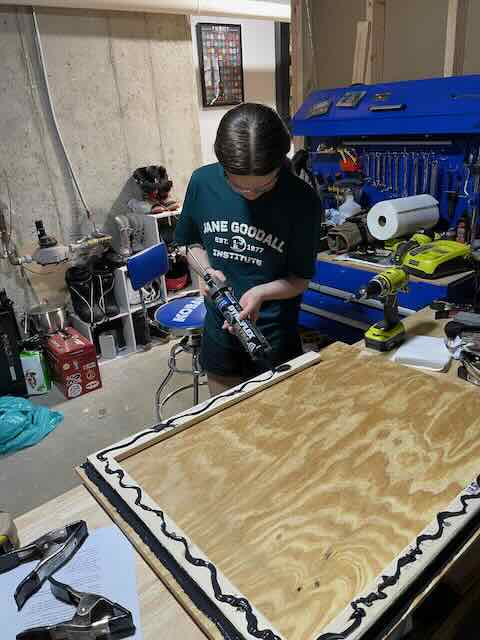
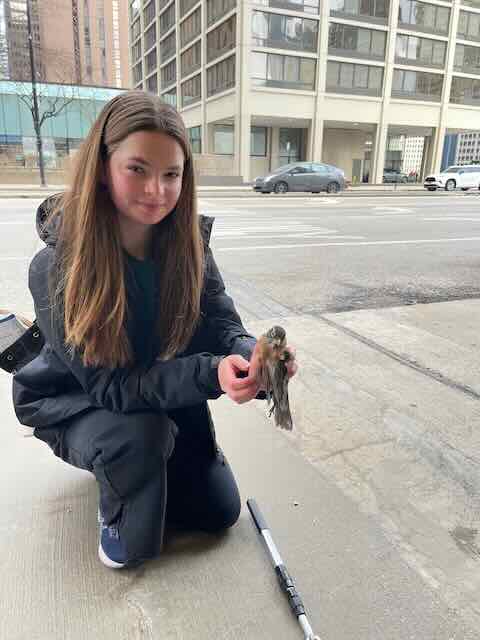
There are three main parts to this project: Data collection: To observe the city’s true impact on wildlife, I volunteer weekly with the Chicago Bird Collision Monitors (CBCM) to rescue birds that have struck buildings and transport them to rehabilitation centers. We also collect deceased birds for the Field Museum and, most importantly, document the specific buildings and locations that act as problematic collision hotspots. I intend to use this data to advocate for policy reforms that mandate bird-safe glass on all new construction. Until such legislation is passed, I am taking a community-based approach by urging owners of existing hotspot buildings to implement voluntary safety measures. Bat houses: The main focal point of my project will be building bat houses. In urban settings, bat houses are vital because they provide alternative roosting sites that replace natural habitats lost to development, helping to keep bats out of human living spaces like attics. These artificial homes also offer female bats the warm, secure environment necessary to raise their young, which is critical for the survival of populations that are otherwise declining due to urban fragmentation. By providing a safe, dedicated place to roost, bat houses keep bats away from high-traffic building areas. This reduces their exposure to the glass and reflective surfaces that cause most fatal collisions. Education: To foster community support, it is essential to educate the public on how birds and bats sustain our local ecosystems and the ways urban environments hinder their success. Community engagement is particularly vital for bats to replace fear with respect and to promote safety practices, such as never handling them. While many people admire glass architecture, spreading awareness of its deadly side effects will build the public pressure needed to push for bird-safe reforms. This education will occur through a variety of infographics, tablings, and signage along the bat houses and across social media.