Here is how the project went:
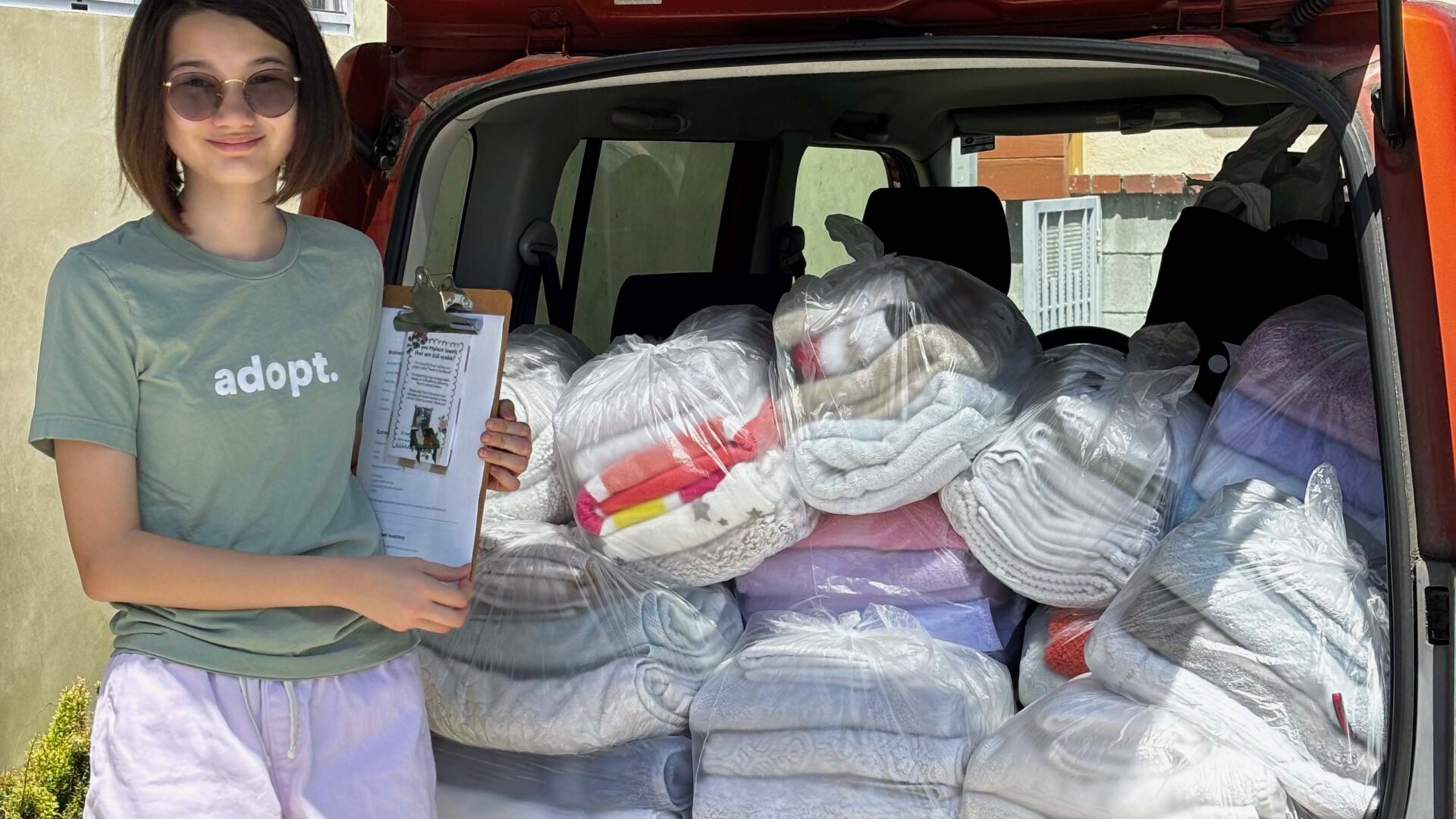
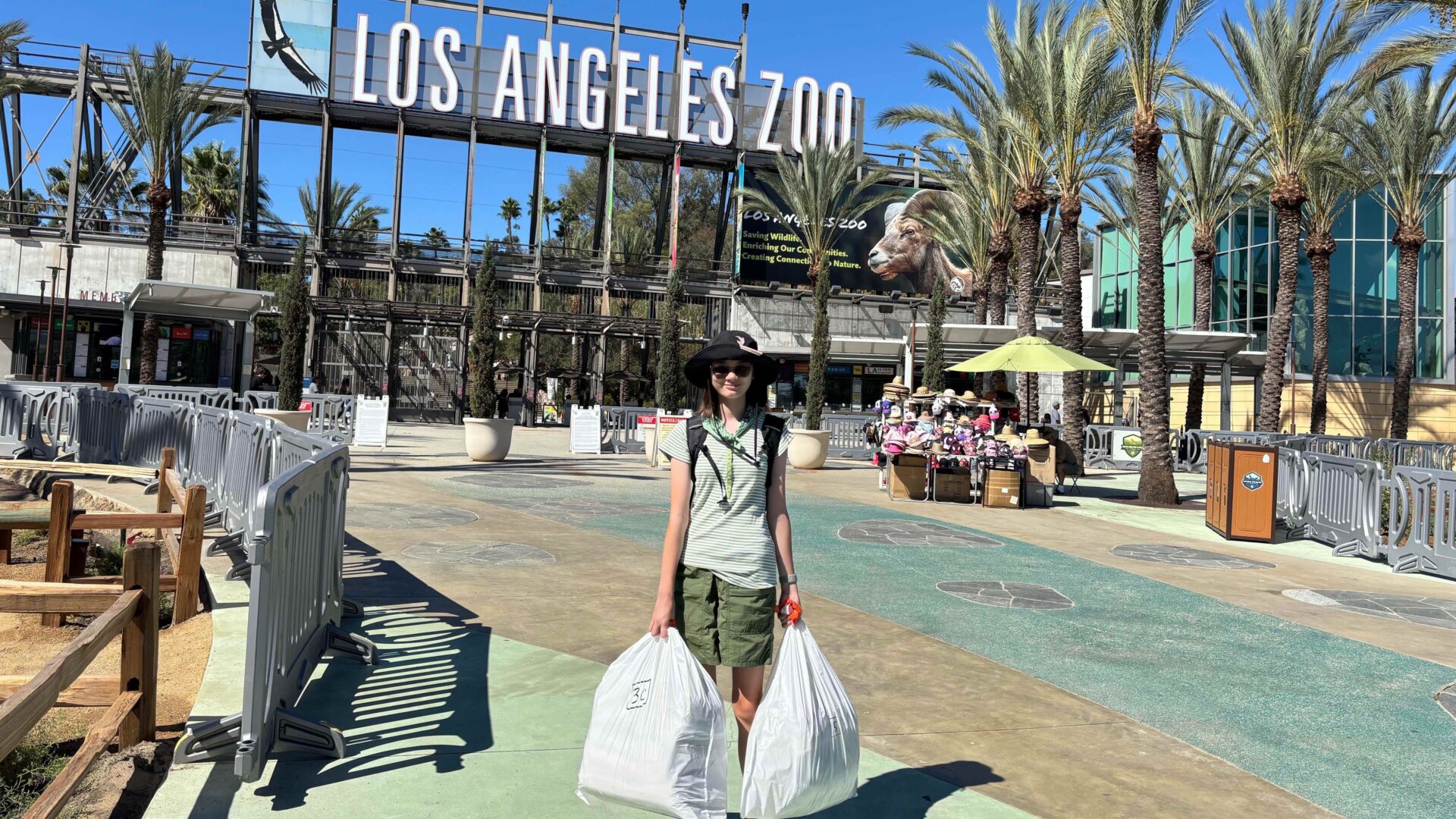
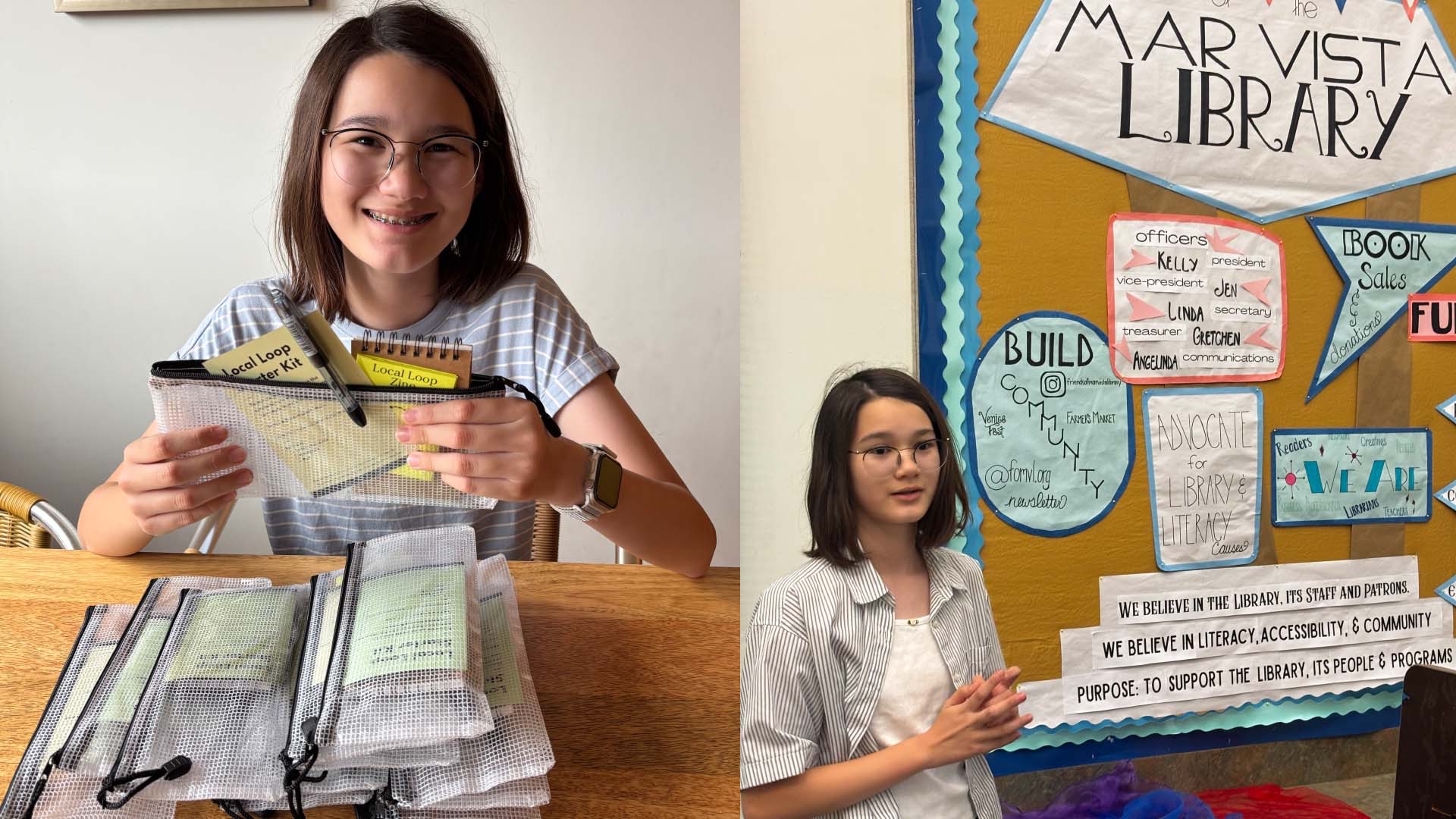
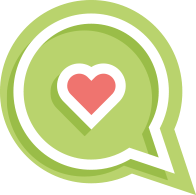
My project, Towels to the Rescue!, was about connecting gently used towels with animal organizations that could use them. I started with the idea that businesses replacing usable towels could become a reliable source of donations. To find out, I talked to local businesses, animal shelters, and rescues and tried different ways of collecting towels. Since I was working on my project during the summer pool season, I even tested collecting unclaimed towels from the lost and found at nearby public pools, but that effort resulted in zero towels, unfortunately! As I worked on this project, there was something that surprised me, though. My biggest source of towels ended up being my own community. More than 80% of the towels I redistributed for the project came from people in my neighborhood and community. A local hotel also became a repeat donor, and I set up a collection bin at my local public library for additional community donations. Through the project, I partnered with 1 local business and 7 animal welfare organizations, diverted more than 470 pounds of textile waste from landfill, and redistributed 314 reusable towels. When people learned about my project, many also wanted to donate other pet-related items, so I collected and distributed 252 additional pet-care supplies, including food, collars, leashes, bowls, and toys. I learned that it was important to ask organizations what they actually needed instead of simply collecting as many things as possible. As the project grew, I realized that this idea could be about more than towels. I created a framework, which I call “Local Loop”, to help other young people find things in their communities that could still be useful, figure out who needs them, and connect the two. I created a how-to Zine, led a workshop for 8 middle and high school students at my local public library, and distributed 12 Starter Kits to members of my Girl Scout troop so they could start exploring their own Local Loop ideas. Working on this project taught me that communities are full of things that still have value, even when someone no longer needs them. I originally thought businesses would be my main source of towels, but my community ended up being the biggest source. I learned that sometimes the hardest part isn't finding something useful, but helping the people who have it connect with the people who need it. The $250 Roots & Shoots Starter Grant helped me turn what I learned into something I could share with other young people. I used the grant for a community towel collection station, supplies to prepare towels for reuse, transportation, educational materials, student volunteer supplies, and 12 Starter Kits. Connecting towels and animal organizations was my first Local Loop, and I’m now wondering what other resources in my community I could help reconnect next.
Through this project I/we learned:
Through conversations with animal shelters and rescue organizations, I learned that their towel needs were more complicated than I originally expected. Many organizations regularly need towels, but some already receive a lot of donations and have limited storage space. I learned that I couldn't just collect towels and assume every organization would need them. I needed to listen to what each organization actually needed and when they needed it. I also learned that the people who could provide towels were not always who I expected. I started the project thinking businesses would be my main source, but more than 80% of the towels I collected came from community donors. This changed the way I thought about the project. Instead of depending on one source, I needed to be ready to collect towels wherever they became available and match them with organizations that could use them. I also tested other ideas, including collecting unclaimed towels from municipal recreation centers and public pools, but those efforts produced zero towels. That was disappointing, but it taught me that just because something seems like it should be a good source doesn't mean it actually is. I needed to test my ideas instead of assuming they would work. Looking back, what started as an idea about collecting towels became a project about listening, testing ideas, and connecting people who have something with people who need it. I learned that the best solution isn't always the one you imagine in your head at the beginning. Sometimes you have to try something, see what happens, and adjust your plan.
What I/we might change:
If I did this project again, I would try to be more on top of things. I would respond to emails sooner, keep up with writing documents and logging my time, and double-check my emails for typos because I worried that mistakes might make my partners think I wasn't serious. I would also keep better track of information during interviews so I wouldn't forget to ask questions or lose things like business cards. I would also do more face-to-face outreach with businesses I was hoping to partner with, because after looking at the results of my efforts, in person contacting was far better than cold email outreach. When I visited businesses in person, I had a 50% engagement rate (4 of 8 businesses), compared with 14.3% (1 of 7 businesses) through cold emails. That's about 3.5 times higher, although the sample size was small. Talking to people in person helped me build trust and explain the project more easily. If I did this project again, I would use emails for follow-ups after establishing in person connections first.
My/our favorite part of this project was:
My favorite part of this project was speaking face-to-face with business owners and community partners. Walking into a business and introducing myself felt intimidating at first, but each conversation became a little easier. Through trial and error (and overcoming nervousness), I learned how to explain my project in ways that got people interested, and it felt good to see people get excited about helping. Their reaction to my project reminded me that many people genuinely want to help and they just need someone to ask. I also enjoyed discovering that I am capable of being a leader, even when I have to figure things out on my own.
Some tips, tricks or fun facts about the project:
I would start by looking for a broken Local Loop. That's how my project started. I noticed that hotels were replacing towels long before they were worn out, and I started wondering where those towels could go instead. That observation became Towels to the Rescue! But don't assume (like I did) that you know where the solution will come from. I expected businesses to be my main source of towels, but my community ended up providing most of them. Talk to people, test your ideas, and pay attention to what you learn. Also, start small. You don't have to solve an entire problem at once. Start with one overlooked resource, one partner that has it, and one organization that needs it. See what happens, listen to feedback, make changes, and try again. In the beginning, you only need to close one Local Loop.