The Paw Print Project

  • Location
    Seattle, Washington
  • Status
    Complete
  • Age Level
    14 to 18 Years
    19 to 25 Years
    26 and Over

The Problem

When studying at my local public library, I found detailed community resource information for people in need: food pantries, housing support, & health services but nothing for animals and humans taking care of them. I asked the librarians and they said they had never seen an animal resource guide and would add one if it existed. In my neighborhood I regularly see unhoused neighbors living in vehicles and on the street with dogs and cats who depend on them. Animals and their humans, including low-income families and neighbors with limited English, deserve to find animal welfare resources in the same public spaces where other community resources already live.

Our Plan

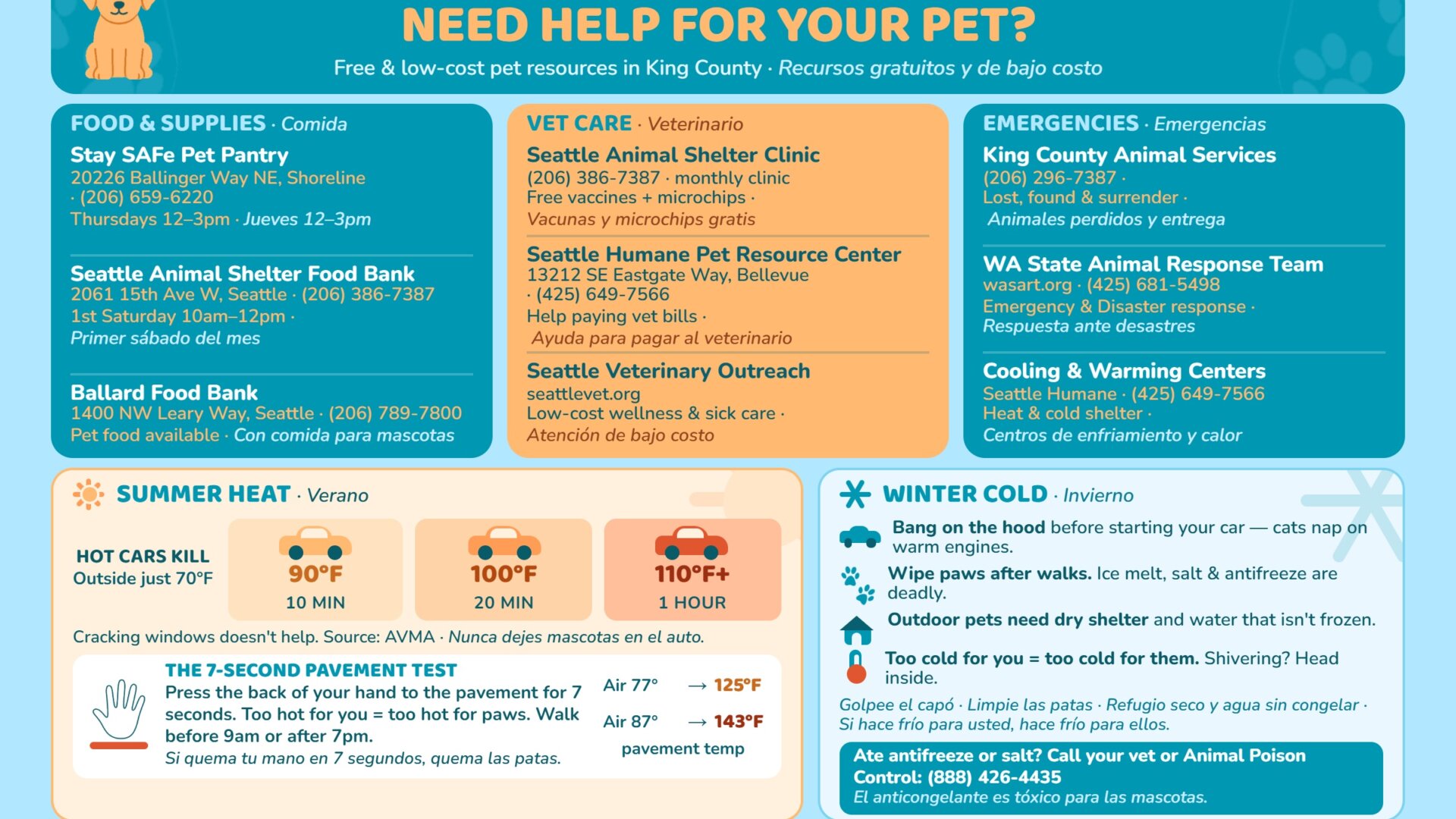
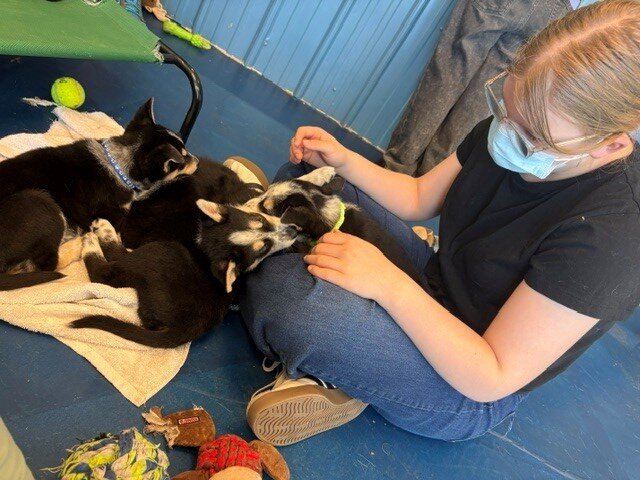
I will design and distribute a bilingual double-sided postcard connecting pet owners in my community to resources that already exist but are not reaching the people who need them most. Resources will include pet food pantries, mobile vet clinics, emergency cooling shelters, seasonal heat and wildfire smoke safety tips, and ways for neighbors to donate supplies or time. Before I finalize the content, I will talk with staff at the animal shelter where I volunteer, the dog daycare where I intern, and the county pet business inspectors during my summer job shadow, asking them what their clients most often need and can't find. I will then distribute the postcard at shelters, daycares, libraries, dog parks, and community boards across the community, targeting at least 12 locations by end of summer.


Themes Addressed

  • term icon
    Community Enhancement
  • term icon
    Homeless Animals
  • term icon
    Pets & Companion Animals
  • term icon
    Poverty & Equity

The Benefit

  • term icon
    People
  • term icon
    Animals

Here is how the project went:

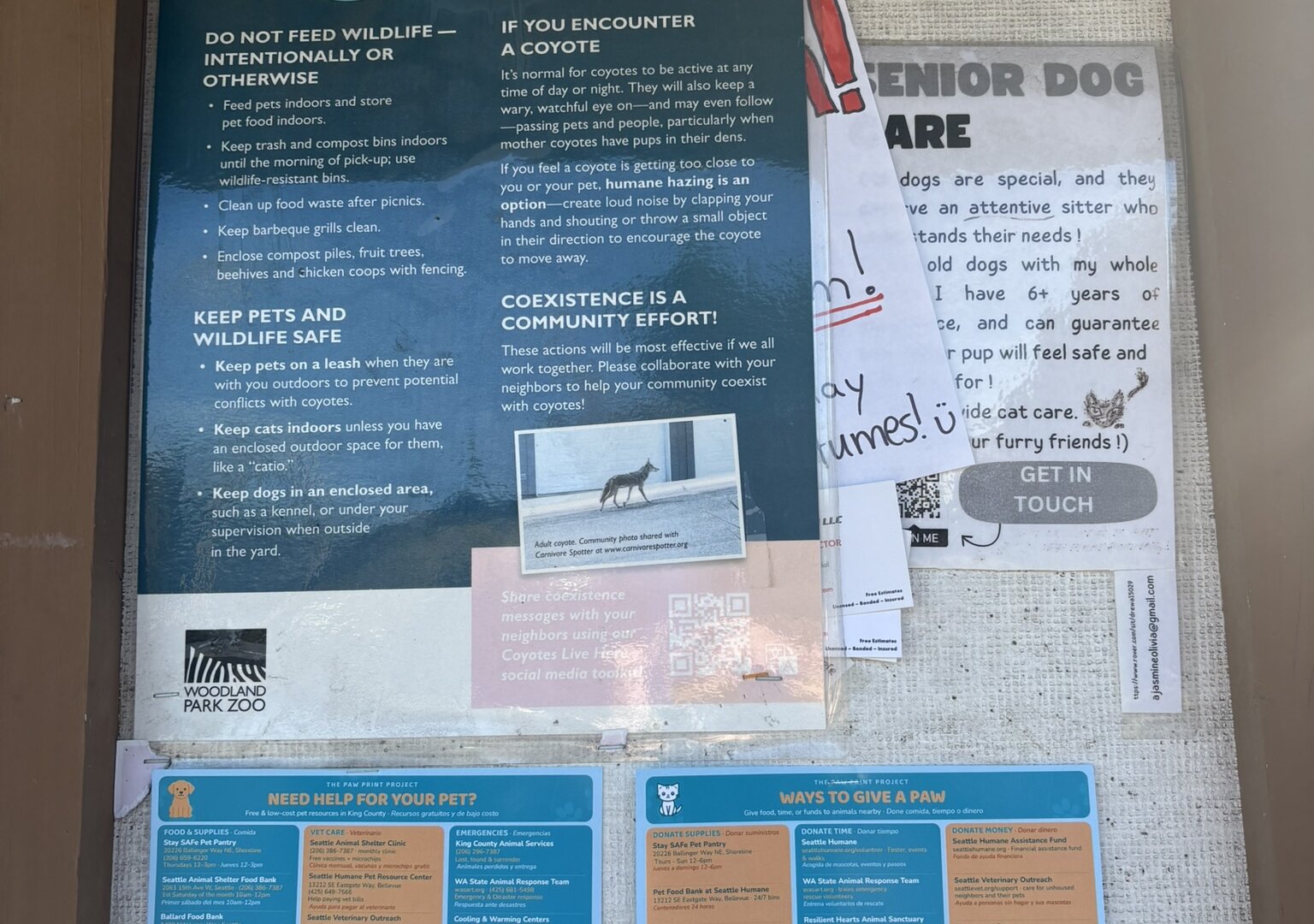
Really well! I designed a bilingual pet resource postcard and got it placed at libraries, dog parks, vet clinics, pet stores, and coffee shops around my neighborhood. Every business I asked said yes. The librarian at the library where I first noticed the gap was so excited that she put the postcards right next to the human resource materials.

Through this project I/we learned:

That small observations can turn into real community projects if you take them seriously. I also learned that people really want to help animals, they just need an easy way to know how.

What I/we might change:

I would start reaching out to businesses earlier so I could distribute even more postcards before the summer heat season really hit.

My/our favorite part of this project was:

Walking into the library and seeing my postcards sitting right alongside the resources for people. That was the very gap I noticed at the beginning, and seeing it filled was the best moment.

Some tips, tricks or fun facts about the project:

Keep a stack of your materials in your backpack and in your car. You never know when you will walk past a bulletin board or meet someone who would love to post them. Also, do not be scared to walk into a business and ask. People are kinder than you think.

About Roots & Shoots

We are nurturing the compassionate leaders of tomorrow.

Get To Know Our Model

New Report

Close