The Problem
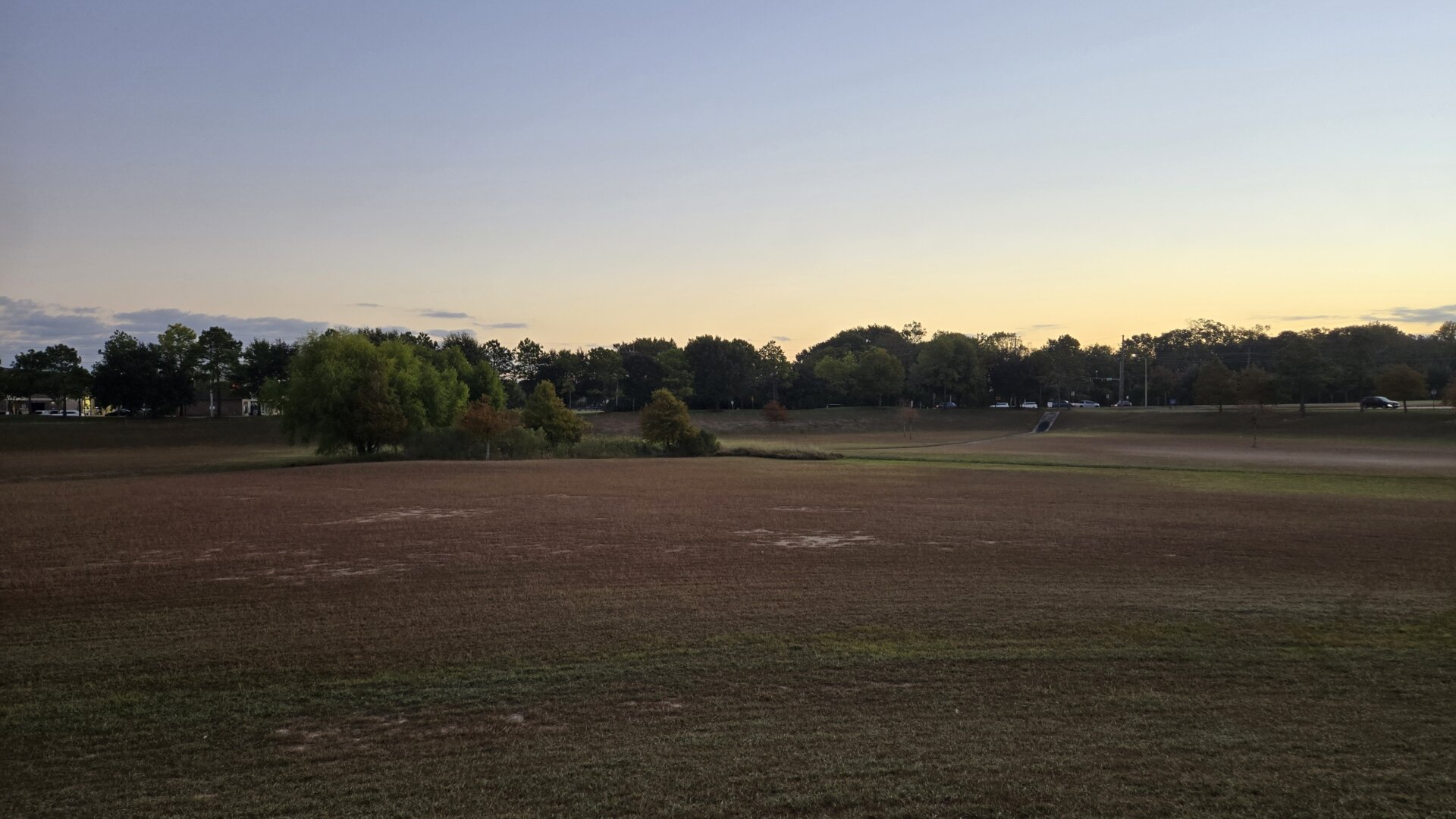
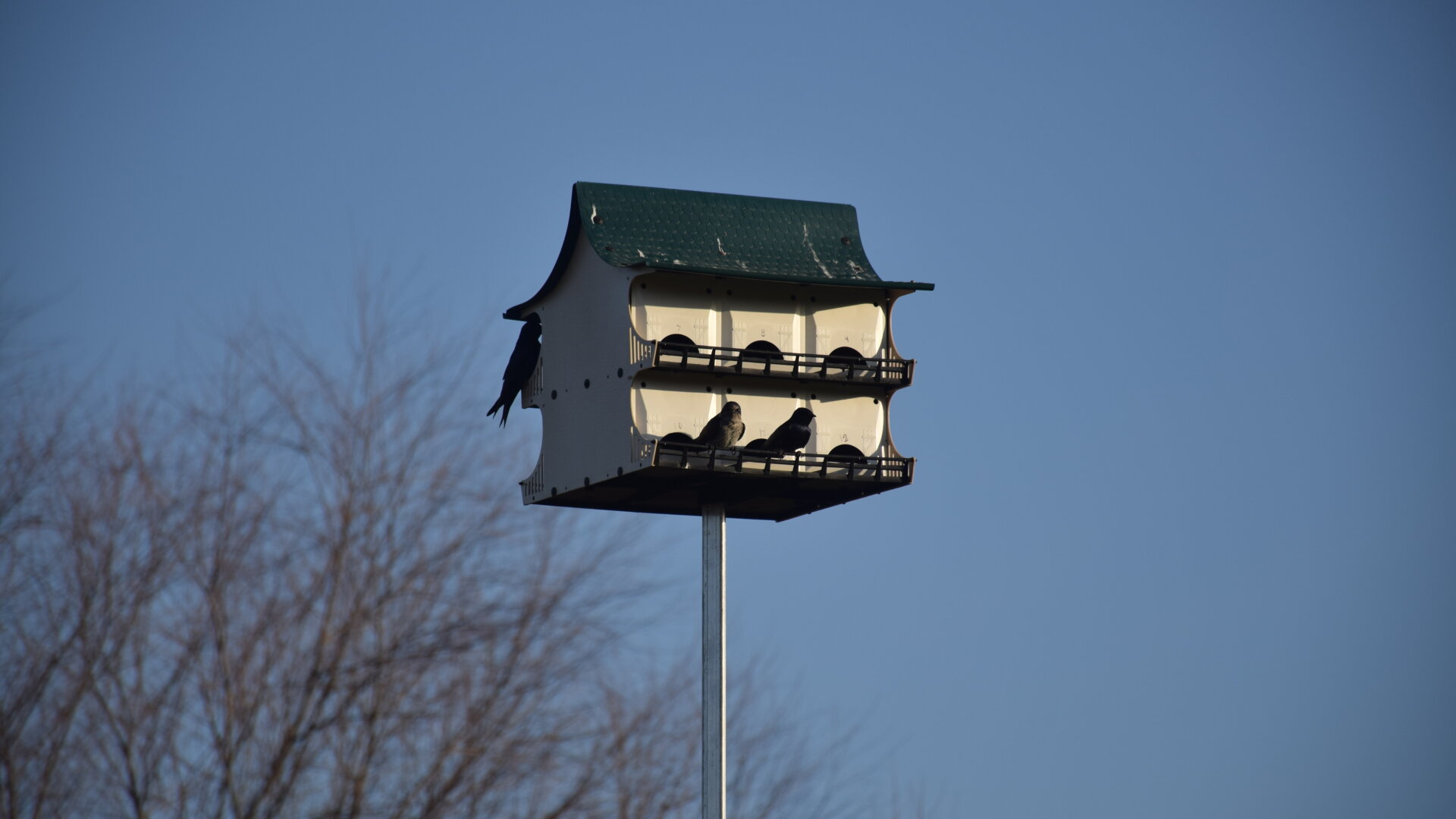
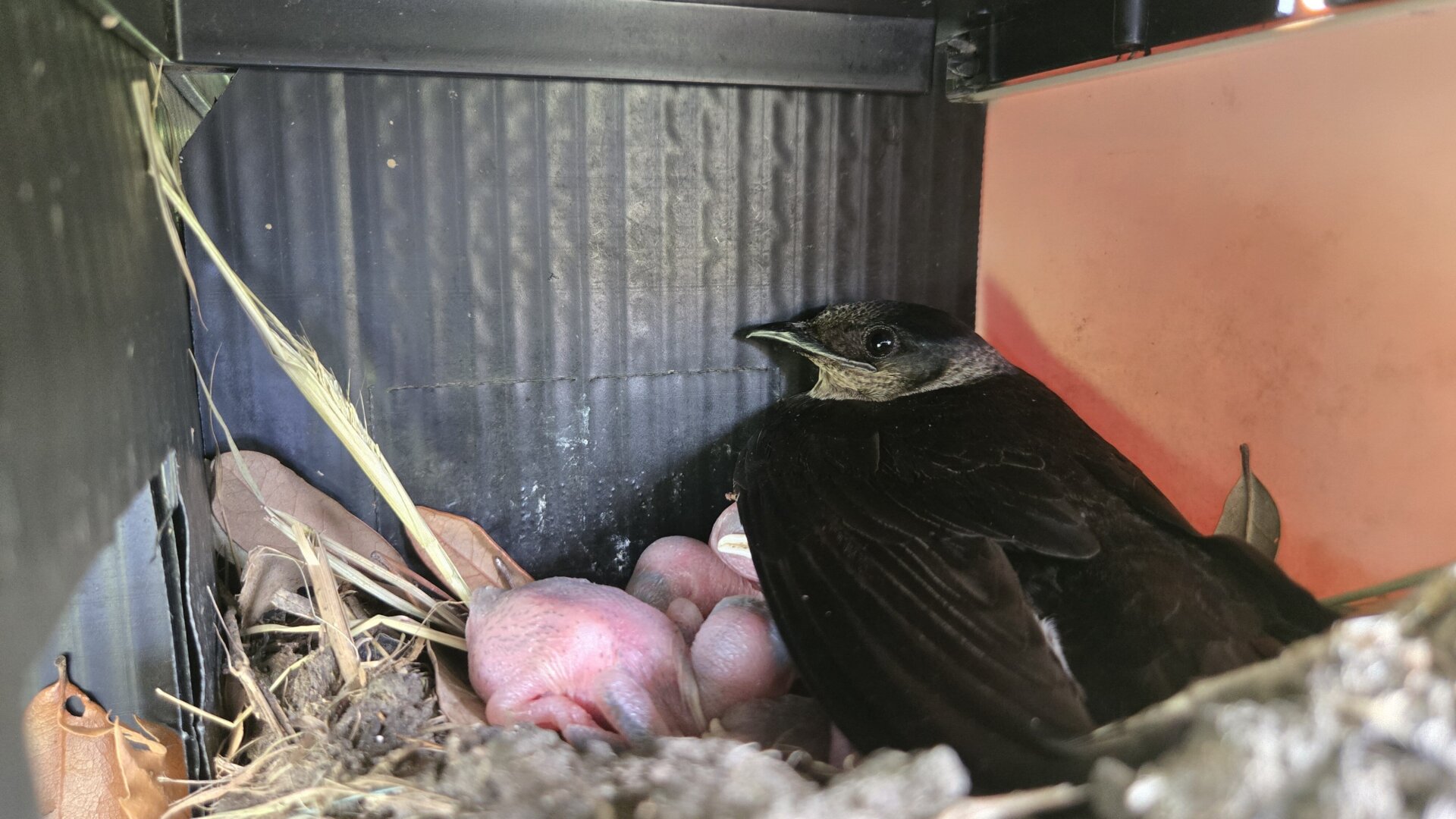
The effects of urbanization on the Katy Prairie have been dire. Historically the Katy Prairie ranged from Louisiana to South Texas, and it consisted of hundreds of thousands of acres of coastal prairie wetlands. In the distant past, the prairie has been home to countless bison herds and yet the last bison sighting in the Katy Prairie was in the early 1870s. It was once home to flocks of snow geese numbering in the tens of thousands, but now it\\\'s a rare occurrence to see a flock of just ten; once home to over a million Atwater Prairie Chickens, there remains fewer than two hundred wild individuals. One of the greatest effects of urbanization is light pollution, which effects the migratory patterns of birds that navigate using the stars to find their destination. When a building has lights on at night, it disorients the birds leading them off course. Not only do lights throw the birds off their migration routes, but they also lead to collisions. On the Seven Lakes High School campus we have observed at least 47 different native and migratory species of birds utilizing SLHS as a native habitat. Of the observed species, at least twenty seven are facing population decline in Texas and no less than twenty five have declining populations in Katy. Unfortunately, it\\\'s not only birds facing population decline, other native and migratory species such as bats and monarchs are also facing declines. Of the roughly thirty two species of bats that call Texas home, at least twenty three of those are listed as “Species of Greatest Conservation Need” by Texas Parks & Wildlife.