The Problem
Conservation is not just about wildlife, it’s about people. If we want the long-term success of any conservation program, local communities not only have to be educated about the facts about local wildlife, but there also needs to be pride and stewardship for the nature around them. Technology and foreign investors is causing a disruption in local knowledge and stewardship of Belizean wildlife and habitat. Traditional knowledge of coexistence, balance, and the overall connection communities have with nature is being lost as elders pass on. There is no location in Belize that educates the public on a large-scale about environmental sciences, natural history, as well as how previous and current culture ties into nature and vice versa. There are also few wildlife sanctuaries, and only one wildlife rescue team in southern Belize.
Our Plan
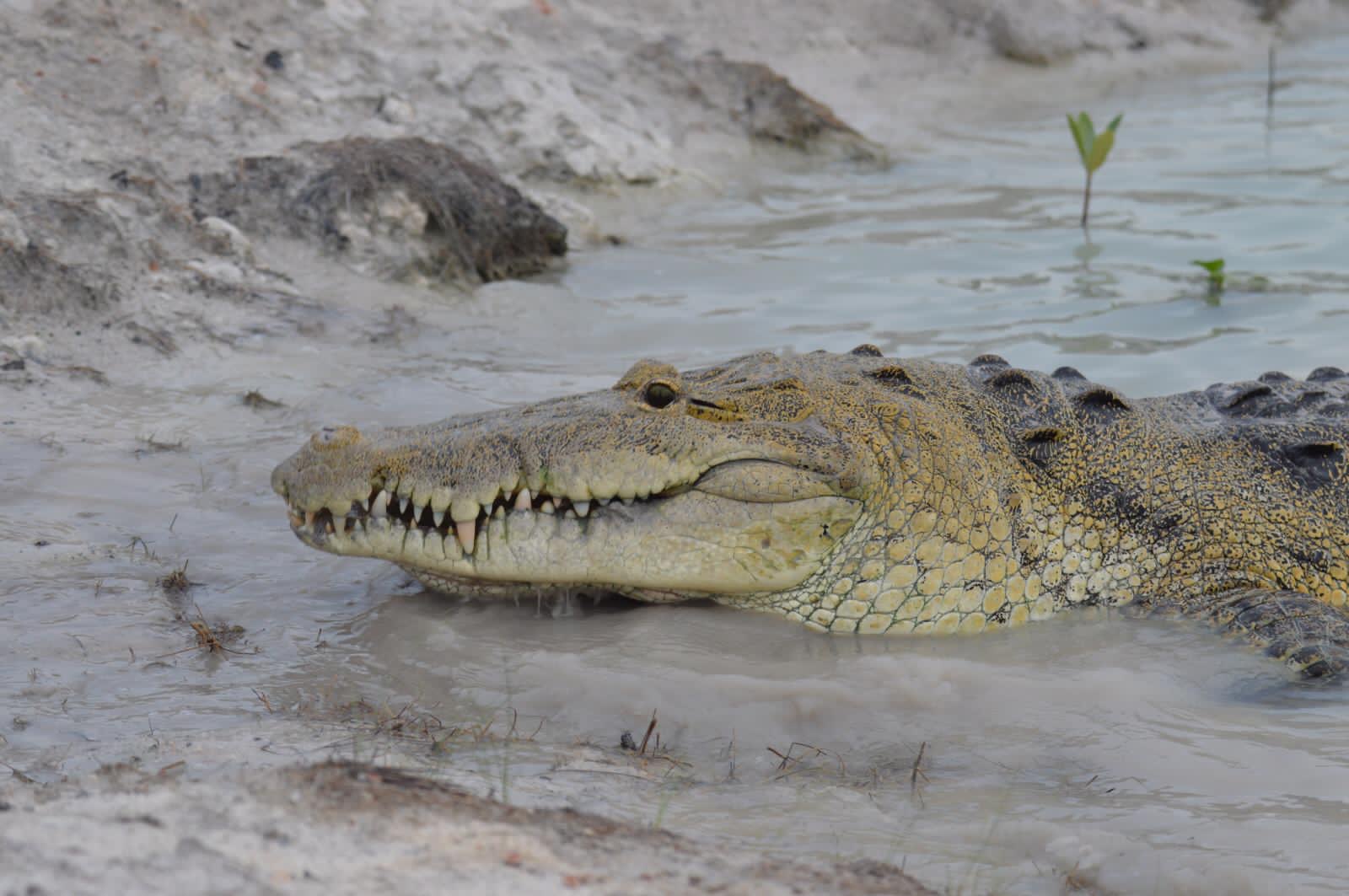
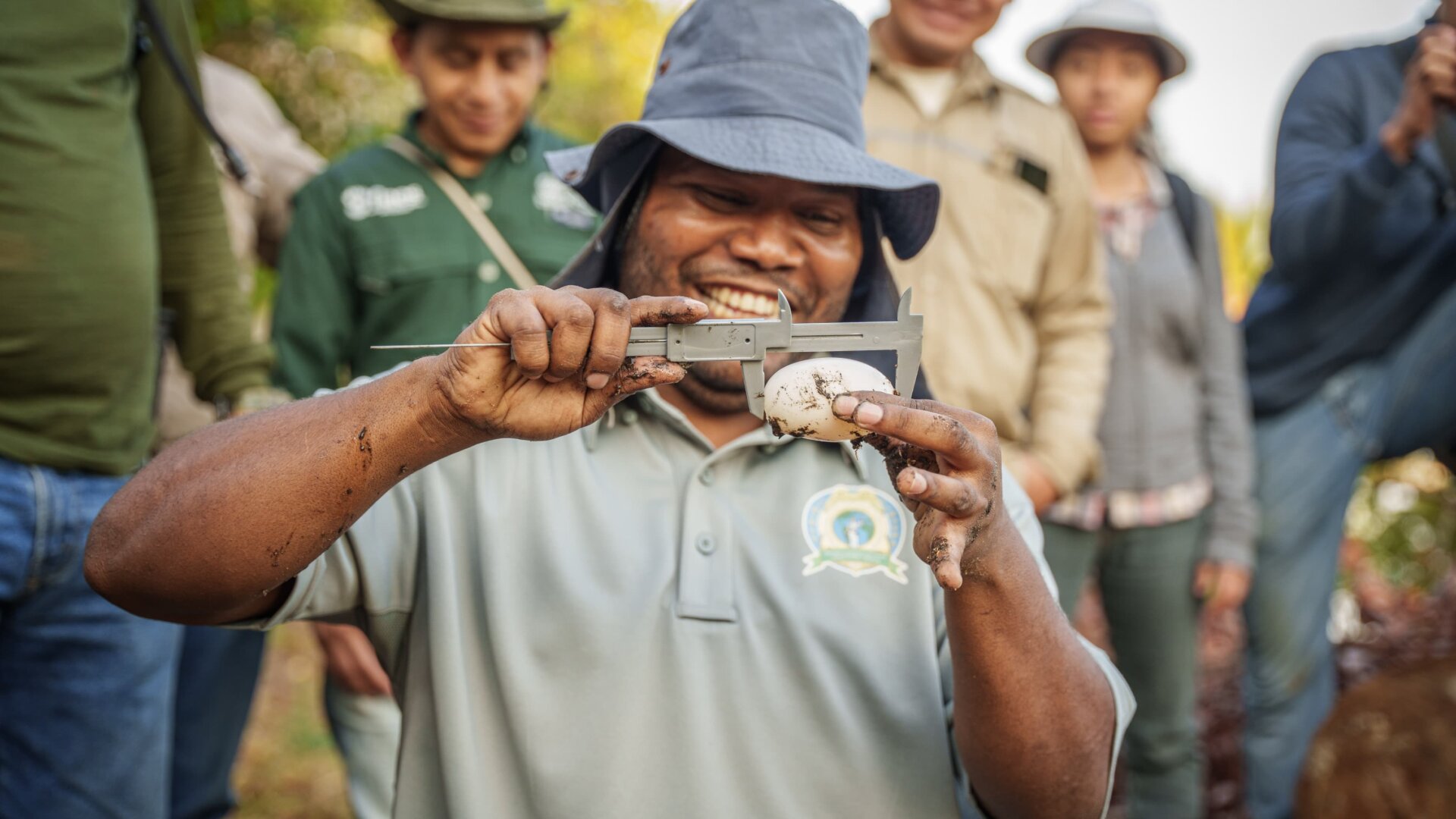
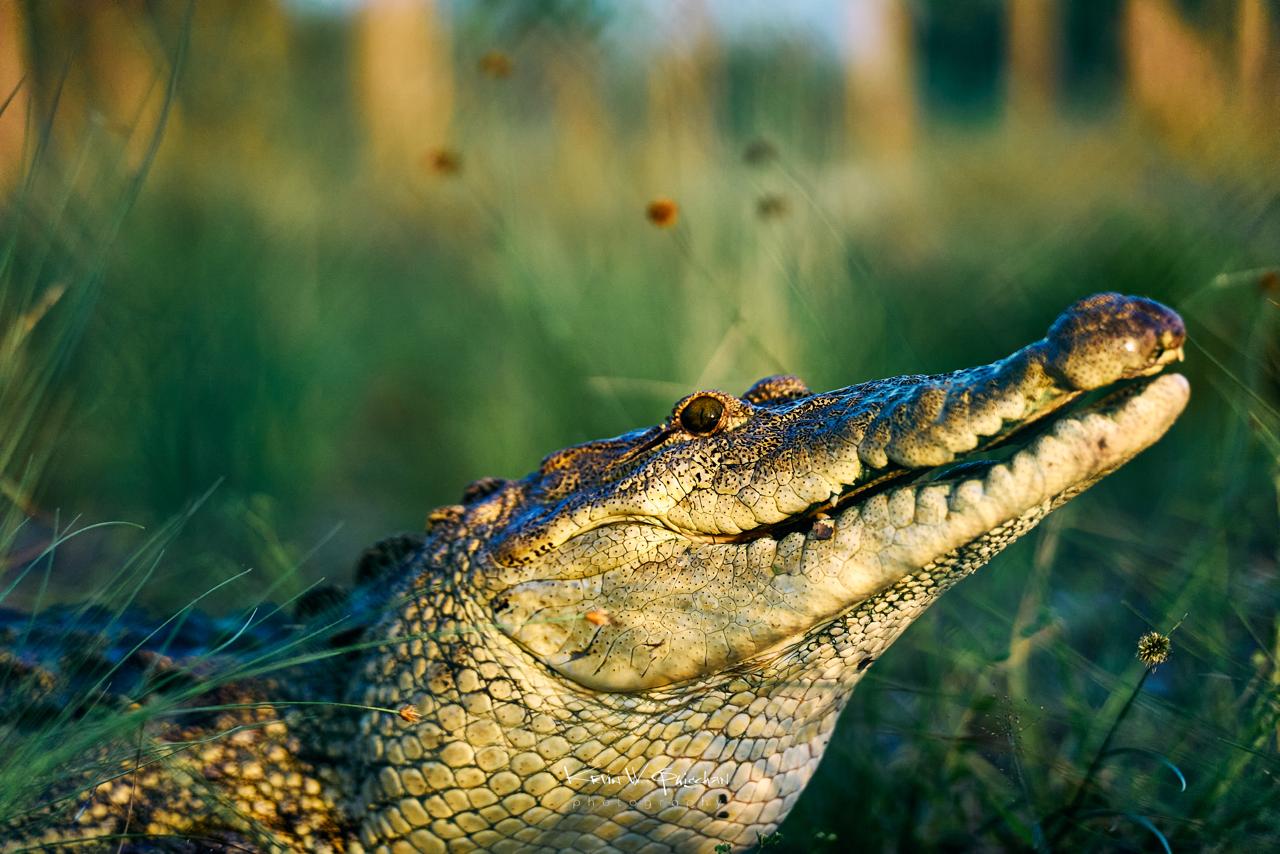
This project will provide an interactive educational opportunity to schools, businesses, and tourists to learn about the ecological and cultural importance of conserving wildlife and habitats via the first environmental science museum in Belize, as well, as a wildlife sanctuary for crocodiles. Crocodiles, also known in Maya dialect as A’ayin, were highly revered in the ancient Mesoamerican societies, however, colonization, Hollywood, and sensationalized journalism has created a fear that has demonized these animals. As a result, conservation efforts can be challenging for this animal. Thus, we want to create a facility that once again, reignites peoples pride in this ancient predator, as well as provides a permanent home for crocodiles who can not be released back into the wild. Furthermore, we plan to establish a rehabilitation clinic for injured or ill wildlife in southern Belize, and a research laboratory that can foster more conservation and science projects in the area. This project will foster a revival of cultural values and respect towards wildlife and habitats. Community pride and stewardship parallels successful wildlife coexistence, and we have already observed our small community caring for wildlife through our current educational initiatives. However, the creation of an environmental science museum provides Belizeans a place to further foster interest and pride protecting wildlife and their habitat, instilling stewardship and pride in nature.