Here is how the project went:
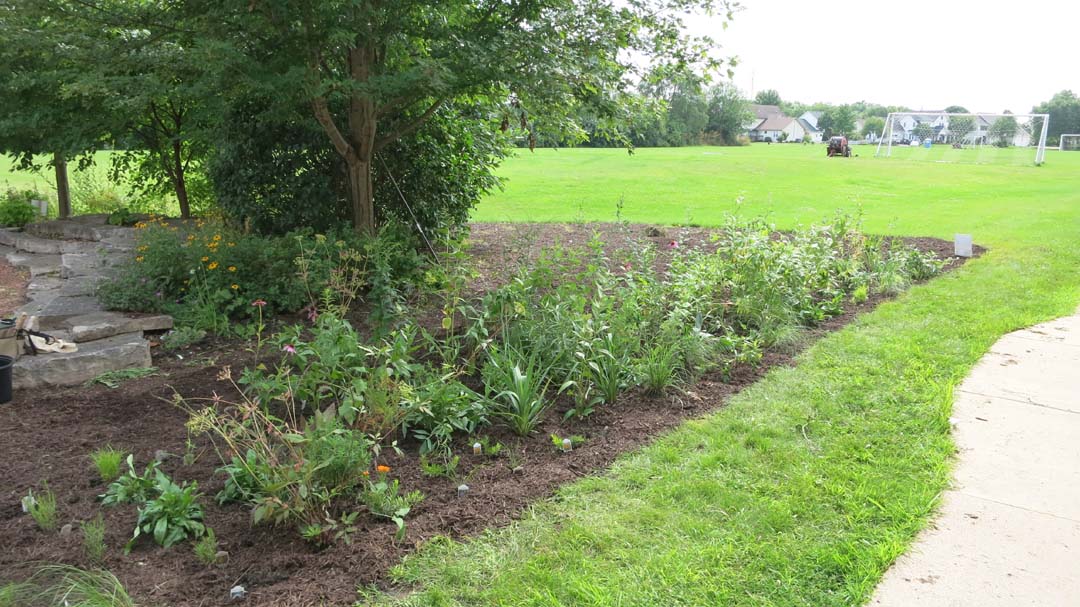
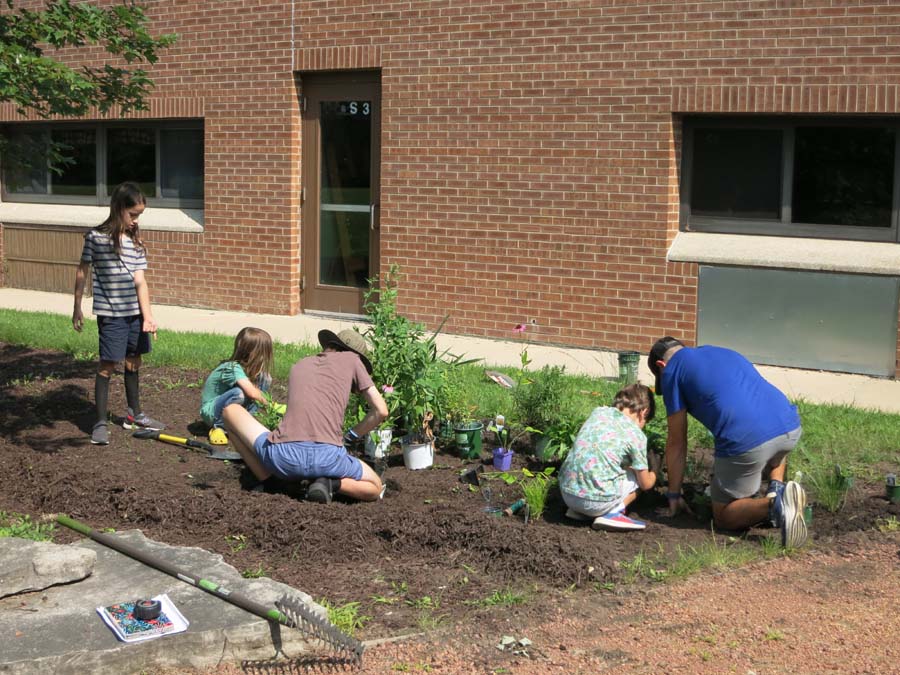
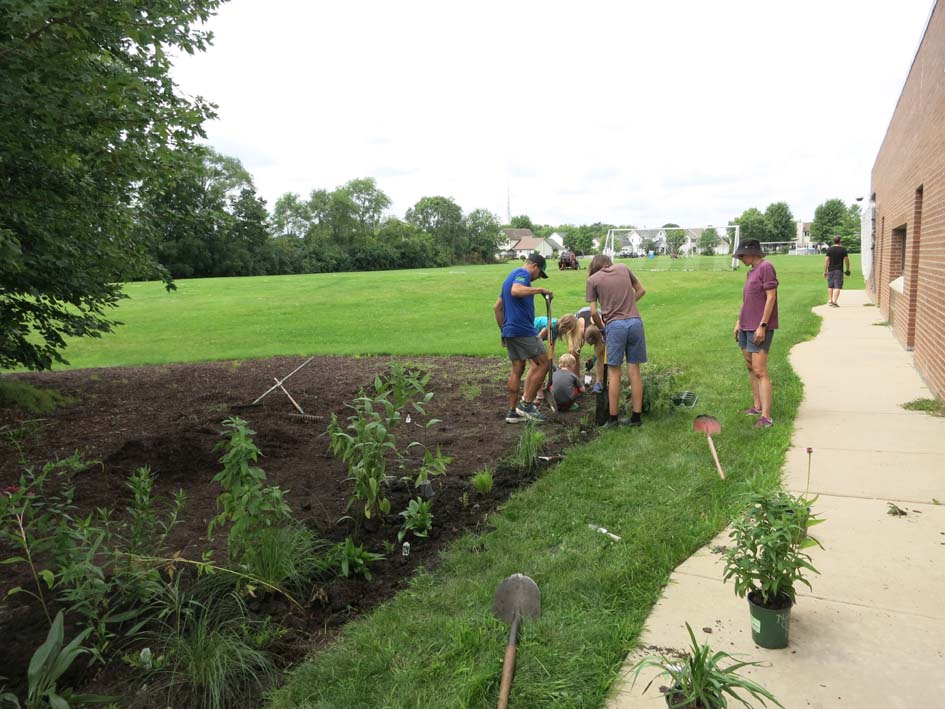
Because this project built upon our first project, we were well prepared for the planting event. Everyone who attended the planting event was enthusiastic and hardworking which made everything go smoothly. Over the summer, a small group of volunteers maintained the garden, and by late summer, the plants were well established and blooming. Once school resumed, the Green Team students were excited to spend time exploring and learning about the new addition and observing the diversity of pollinators the plants were able to attract.
Through this project I/we learned:
This project taught us the value of hard work. Despite the hot temperatures and the long day, everyone felt a sense of accomplishment when looking at the completed garden.
What I/we might change:
While we were well prepared for the event, if we could hold the event earlier in the season, it would not only make the event more enjoyable, but it would also be better for the plants.
My/our favorite part of this project was:
The best part of this project is the continued enhancement to the pollinator habitat we are creating. The additional space allows for more pollinators to use the area leading to an increase in local biodiversity. This expansion also allows more students to view the garden from inside their classrooms.
Some tips, tricks or fun facts about the project:
After the native garden is established (after the first year), it requires minimal maintenance. Due to the close spacing of the plants, weeding is minimized and regular watering is not necessary due to the adaptations of these plants to the local environment.