Here is how the project went:
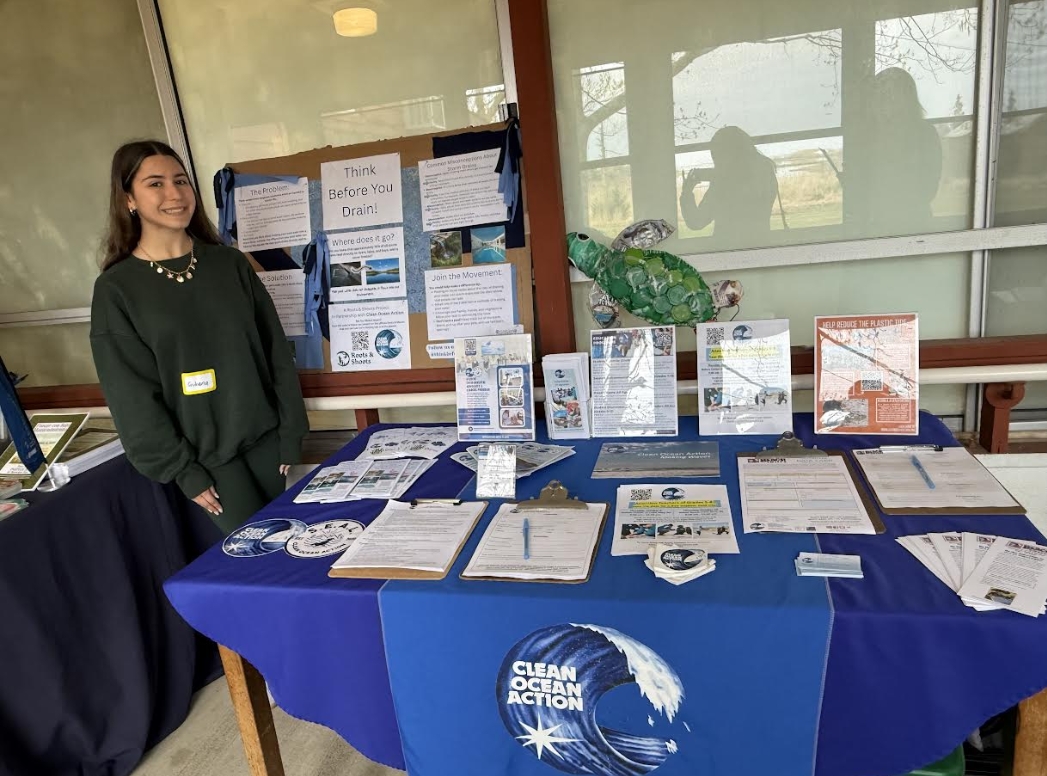
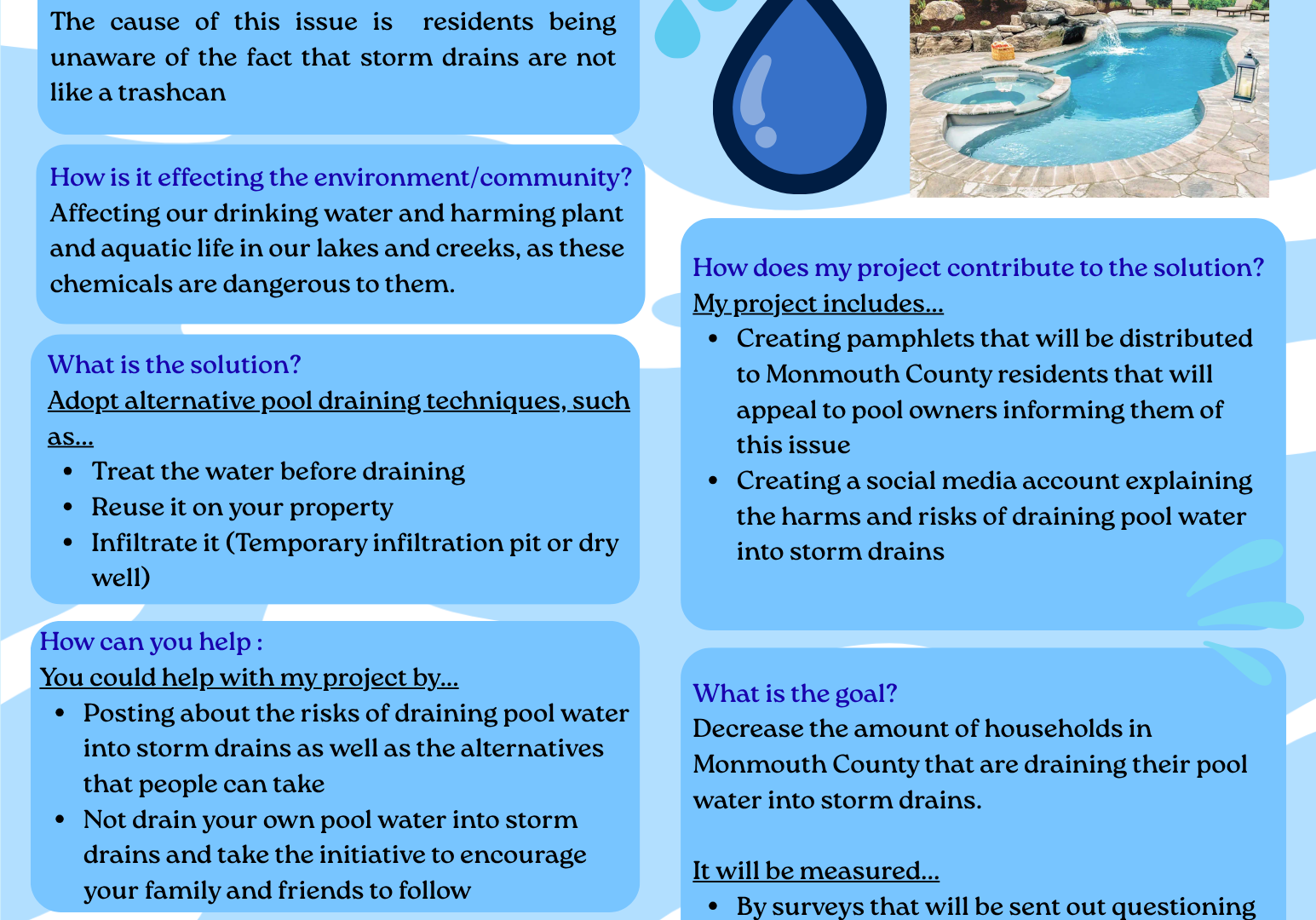
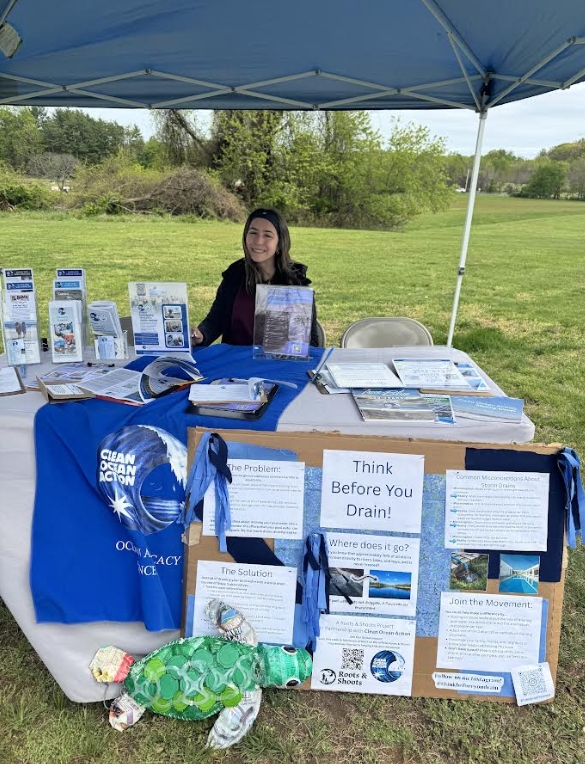
I distributed 250 pamphlets about the harms of dumping pool water down storm drains and alternative pool draining techniques to local communities. I presented to a middle school science class and my school's town hall, where I educated students about the harms of polluting storm drains. I was able to inspire my peers to take action to make a difference in the environment. I also tabled at the Bayonet Farm Earth Day Festival, Barnegat Bay Environmental Educators Roundtable, and Shrewsbury Centennial Event. Through these events I was able to educate my community about the harmful effects of draining pool water into storm drains. I also attended the New Jersey Roots and Shoots river cleanup, where I participated in cleaning up the Passaic River and presented to all the participants about Think Before You Drain. I also posted content on my instagram account, @thinkbeforeyoudrain, to expand my reach of this prominent issue to others rather than just in my own community.
Through this project I/we learned:
Through my project, I learned that many people simply do not know that pool water entering storm drains can harm rivers, wildlife, and ecosystems. By explaining the issue in simple, relatable ways, I was able to increase connection, awareness, and encourage better habits. I also learned that small actions can have a larger impact. Handing out pamphlets, tabling at events, and speaking to my community seem simple individually, but together reached hundreds of people and helped spread awareness to my community about an issue I am passionate about.
What I/we might change:
Next time, I would expand my outreach by partnering directly with local environmental commissions and town councils to encourage clearer regulations and public education about proper pool draining practices. I would also want to create interactive educational videos and content to be embedded in curriculum at local schools.
My/our favorite part of this project was:
My favorite part of this project was interacting directly with community members. Seeing people become more aware of how their everyday actions affect the environment was very meaningful. Also, participating in the river cleanup was also very rewarding as it gave me a hands-on opportunity to help protect local waterways while connecting with others who care about environmental conservation.
Some tips, tricks or fun facts about the project:
One of the biggest lessons I learned is that no action is too small when it comes to protecting the environment. Even simple actions, like talking to community members, handing out pamphlets, or changing the way pool water is drained, can make a meaningful impact over time. A fun fact I constantly told others was : Did you know that approximately 70% of all storm drains lead directly to rivers and lakes, and is never treated?