Here is how the project went:
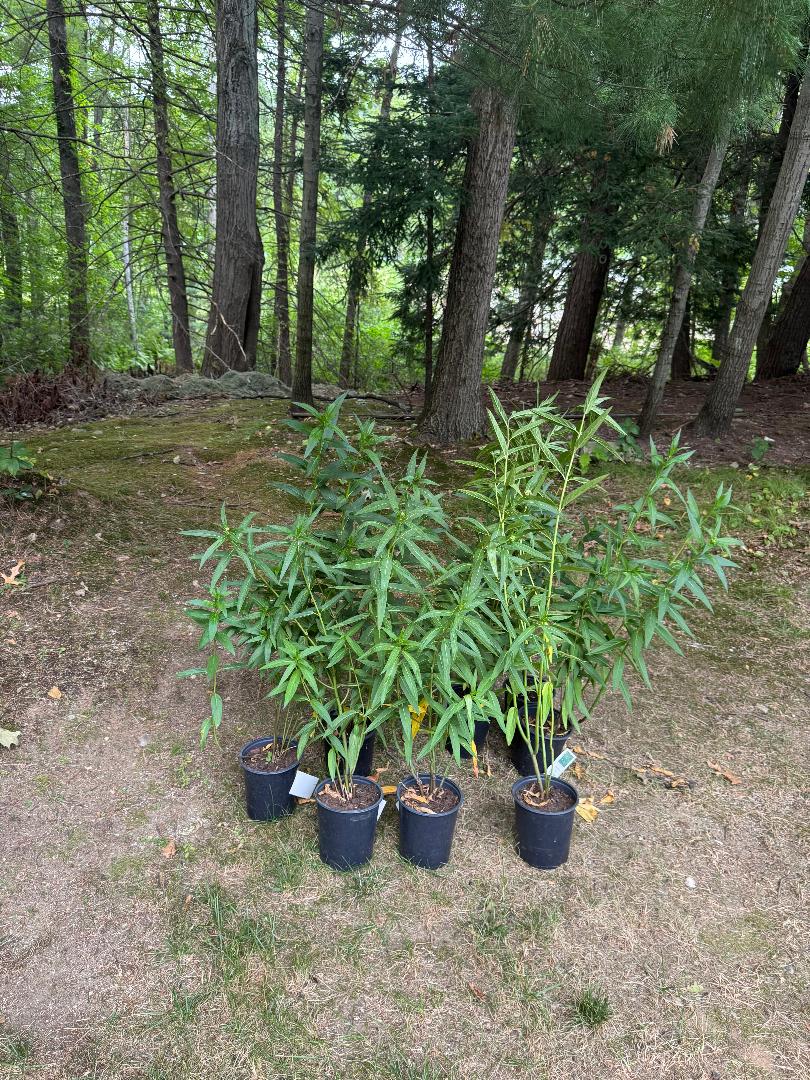
Methodology: I researched the types of milkweed best suited for MA and decided on A.Incarnata species. I was able to purchase the plants at a local nursery with the help of the grant money that was provided (under the supervision of my parents). I was also able to update a brochure I had created about planting Milkweed for Monarchs. I was able to educate and engage with 16 families and distribute 16 A.incarnata plants already potted and ready to go. Hence, the only step the recipient had to do was place it in their garden. Many of them mentioned that this was the first time they heard about this issue and stated they will be more involved from here on.
Through this project I/we learned:
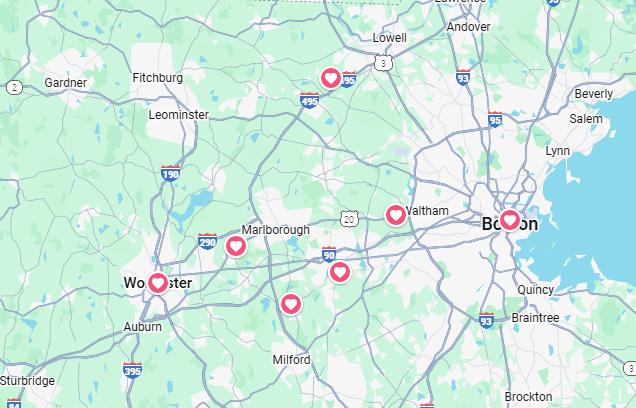
This project helped me grow a lot. I am a self-confessed introvert. Even speaking to neighbors I knew and asking for help felt difficult at first. However, I was impressed with how easily people were willing to help / take the plant once they heard the cause. Some mentioned that they will get these as gifts for their plant-loving friends. One stated she will plant it with her young daughters. I created an impact map and this really helped me see how even a small project such as this could cover a broad area (this is not including secondary impact -for example, some friends told me that this was a great gifting idea and may buy more plants to distribute to friends). My mom was inspired by this project and has reached out to the city hospital where she works and suggested this idea to the sustainability team. I also plan on distributing brochures to friends and family (even though fall is here) so that we can start the process again next summer.I plan on offering a downloadable version of the brochures created to FB groups that are dedicated to Monarchs so they can use it for free. I also learnt other skills like time management, communication skills, book-keeping and editing brochures.
What I/we might change:
One of the interesting things that happened was that people who read the brochures asked more questions. For eg - what if I have pets? This showed that people were genuinely interested. So, I went back to the brochure, re-edited and provided tips for the same. I then reprinted the final brochures. Hence if I did this project again, I would ask a few friends to read the brochures, clarify any questions that come up before giving for final print. Another important factor is the weather. Even though more people volunteered, the weather was turning chilly, and the project had to be tapered off to prevent Monarchs from lingering. So time management is of the essence- plan ahead of time and build in some extra time for delays. As a high-school student, I had to balance some summer commitments to fit this project in. If I were to do this again, I would have started earlier and factored some time in for inevitable delays.
My/our favorite part of this project was:
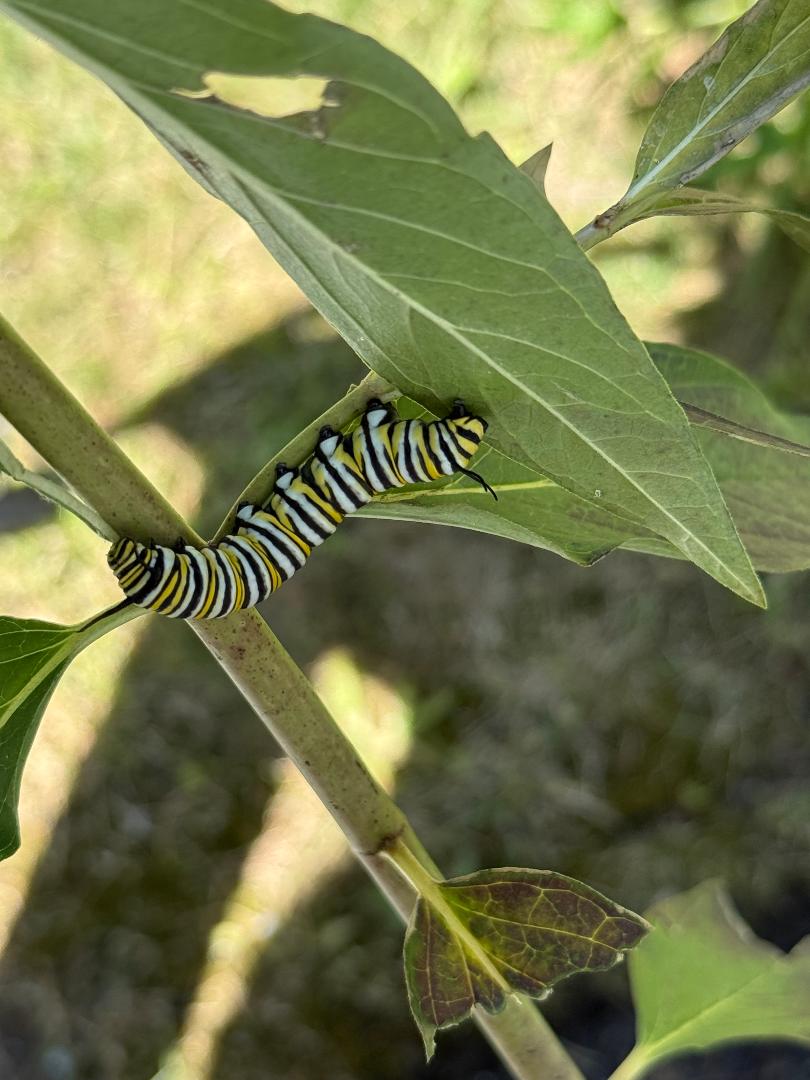
This project has increased my resolve to do more to help this cause. I am now involved in an AI project that may help create a Monarch Classifier Model to help identify this species. Also, the most heartwarming incident happened to me - my dad noted a monarch caterpillar in our garden, but then it disappeared - we could not locate it ! A strange sadness fell through the whole house. But then just a few days later - I spotted a beautiful Monarch soaring through the plants. I even managed to catch it on video! It was like a nod from Mother Nature. While I felt sad about Ms.Jane Goodall's passing I feel like her spirit lives on through these tiny conservation efforts. And I remember that no individual is too small to make an impact.
Some tips, tricks or fun facts about the project:
- If creating brochures - circulate among friends to identify any questions or clarifications that are needed before printing final version. - Factor in seasonal changes, especially in regions where seasons change quickly.