Here is how the project went:
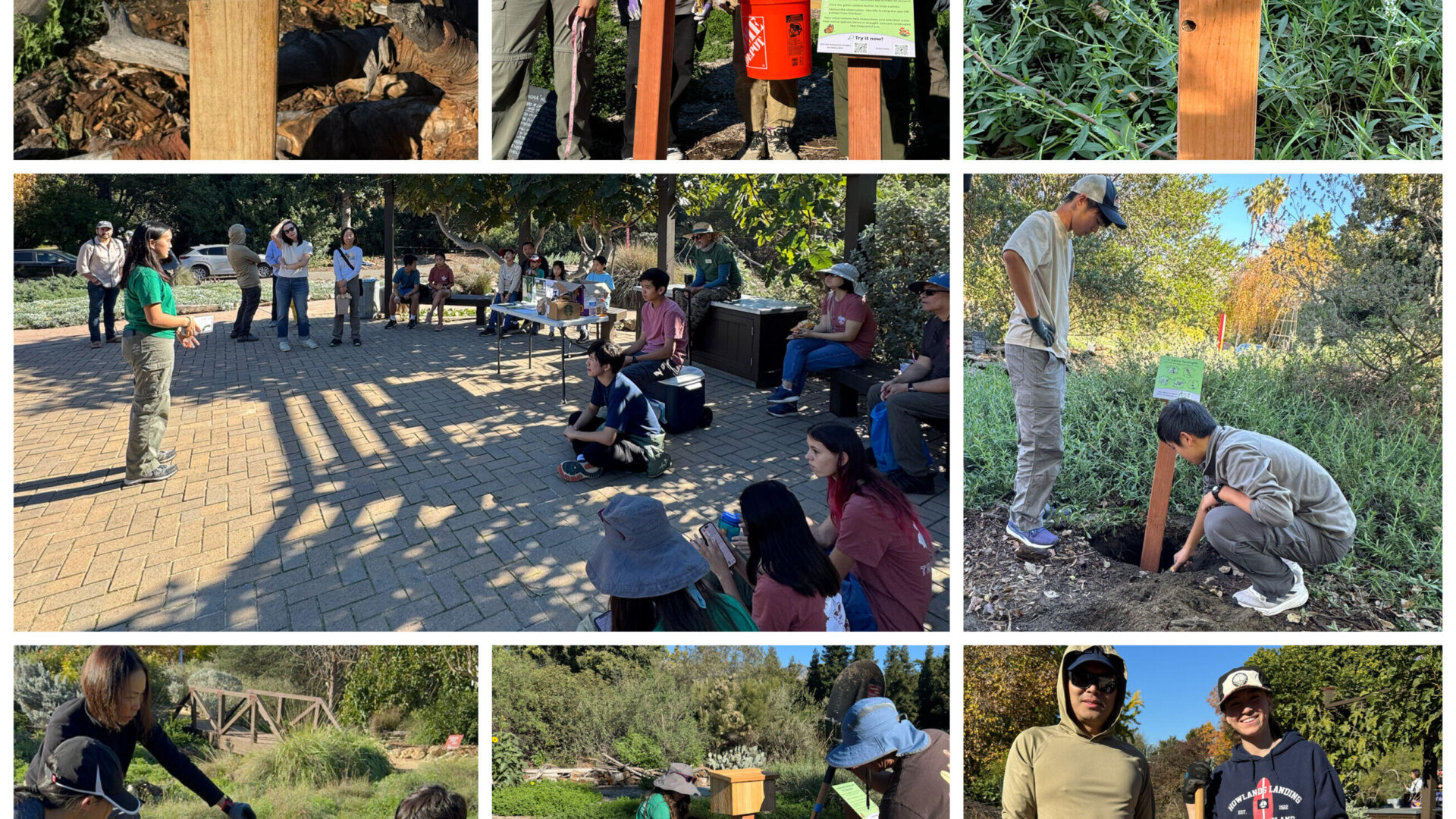
Overall, the project was very successful and reaffirmed that there is strong interest in wildlife and conservation when people are given clear, welcoming entry points. Many participants expressed excitement at realizing they could meaningfully contribute to scientific research. Several visitors shared that they had noticed plants and animals at the Arboretum for years but had never thought of those observations as valuable data. Seeing participants, especially younger ones, gain confidence as they made their first observations was one of the most rewarding outcomes. What began as a more narrow idea around fire-resilient gardening expanded into a broader and more impactful citizen science and ecology education initiative after my conversations with John, the Crescent Farm manager. This shift allowed the project to address a larger gap: while visitors to the Arboretum are surrounded by biodiversity and often curious about wildlife, there were no clear pathways for them to engage with citizen science. The project also revealed how important thoughtful design and accessibility are. Simple elements, such as step-by-step instructions, QR codes, and physical field guides, made a noticeable difference in whether visitors felt comfortable participating. People were far more likely to engage when tools were immediately available and easy to understand, rather than requiring prior knowledge or preparation - visitors even started looking at our signs as we were installing them! There were also logistical and technical challenges. Some materials I initially chose were not well suited for outdoor conditions, requiring last-minute adjustments such as changing hardware and adhesives, and I had to treat cedar with outdoor varnish. These issues caused minor delays but ultimately improved the durability and safety of the final installations. Coordinating volunteers and schedules also required flexibility, particularly when working across different groups and age ranges. Before installation day, I had to make a spreadsheet grouping volunteers for each sign, keeping comfortability, age, and skill in mind. Most importantly, the project created visible, lasting resources and demonstrated that citizen science can feel approachable rather than intimidating. The positive engagement and feedback confirmed that the project met a real community need and has the potential for continued impact.
Through this project I/we learned:
Through this project, I learned how critical adaptability and listening are in community-based work. Early feedback reshaped the project’s direction and ultimately made it more impactful. I arrived where I did only after reflecting on what gaps truly lied in my beneficiary, not just what would be easy to accomplish - this allowed us to bring education to the Crescent Farm that wasn't there before. I also learned that effective science communication is less about delivering information and more about lowering barriers, helping people feel capable and welcome in scientific spaces. Additionally, I developed practical skills in project management, communication, and problem-solving while navigating issues with time crunches and material and budget constraints, helping me practice planning ahead.
What I/we might change:
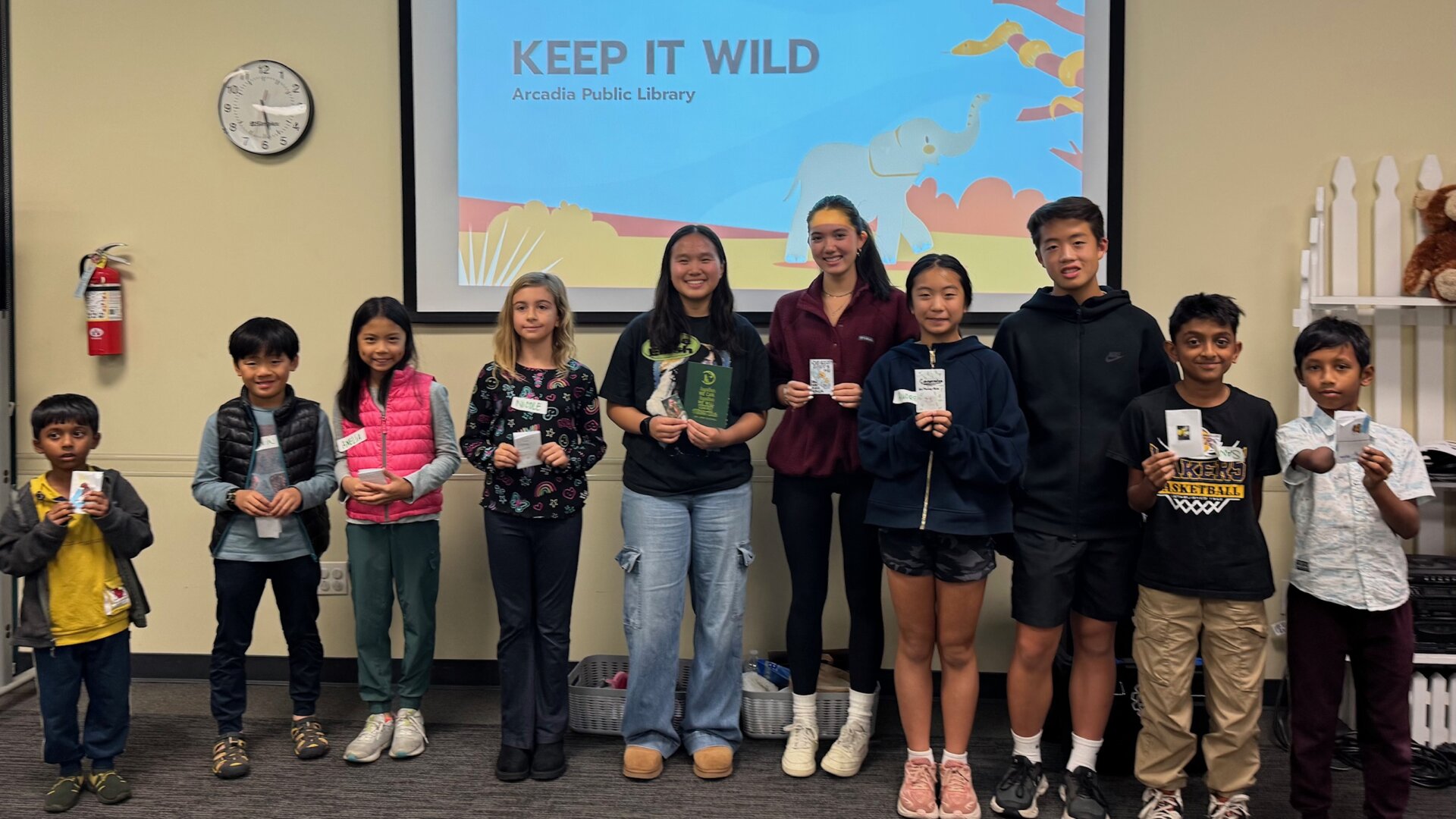
If I were to do this project again, I would spend more time testing materials and prototypes in outdoor conditions before final installation. Earlier testing would reduce last-minute changes and improve efficiency. I would also build in more structured follow-up opportunities, such as scheduling another BioBlitz or doing a survey, to better track whether participants continue using citizen science tools after their first experience. Finally, I would expand partnerships with schools or youth programs earlier in the process to reach an even broader audience, running workshops similar to what I did at the library. While the project successfully engaged community members, earlier outreach could deepen its long-term educational impact and sustainability and involve even more youth.
My/our favorite part of this project was:
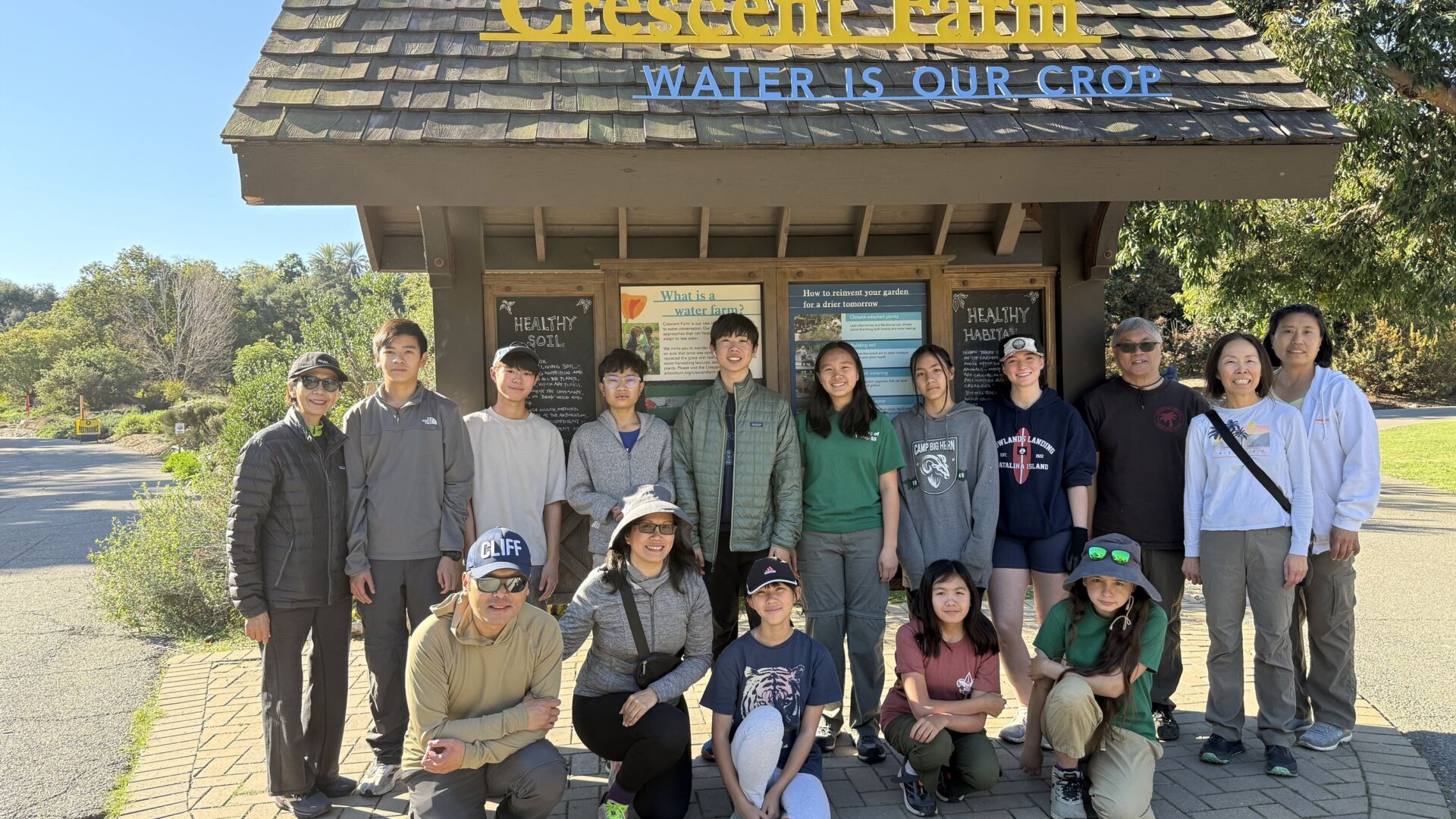
I learned that the work environment and the volunteers are just as important, if not more important, than any tangible outcomes. While we did accomplish our goals (installing the box and signs and logging observations on iNaturalist), my favorite part was seeing volunteers from different backgrounds connect with one another. For example, parents from my scout troop and my friends from school found common ground and formed connections through the project. There was also a strong sense of enthusiasm throughout. We completed sign installation in the morning and held the BioBlitz around noon, and volunteers who stayed for both began using iNaturalist and observing wildlife even before the BioBlitz officially started. Many participants, ranging from 6th graders to grandparents, shared that they planned to continue using iNaturalist and field guides to explore on their own. Youth volunteers also spoke with me and Erin about Roots & Shoots and with John about the Crescent Farm, and many are now excited to intern, volunteer, or plan their own projects. Overall, the project showed me that community-building is not just a byproduct of environmental work - it's a core outcome. Creating spaces where people feel connected, inspired, and empowered strengthens the impact of conservation and ensures that the work continues beyond a single event.
Some tips, tricks or fun facts about the project:
- Lower the barrier to entry as much as possible. Many people are curious about nature but hesitate because they think they need expertise or special equipment. Simple tools like QR codes, step-by-step instructions, and physical field guides make participation feel approachable and fun. For example, in the case of citizen science, you could guide people through their first observation to help them build confidence. - Design for enthusiasm and flexibility. Build in time for curiosity, conversation, and exploration rather than tightly scripting every timepoint or event. Some of the best engagement happened organically, when participants began observing wildlife before an event officially started. Citizen science works especially well when people feel free to follow what catches their attention. - Fun fact that I realized - many of the most valuable biodiversity observations come from everyday places, not just remote wilderness. Logs, leaf litter, and garden edges often host reptiles, insects, and fungi that are underreported and go unnoticed. You don’t need to travel far to contribute to real research - your backyard, school, or local park can be just as important. - Remember that community is part of the science!! Inviting people from different backgrounds and age groups creates shared learning and lasting motivation. When people connect with each other as well as with nature, they’re much more likely to keep exploring and contributing long after the project ends.