The Problem
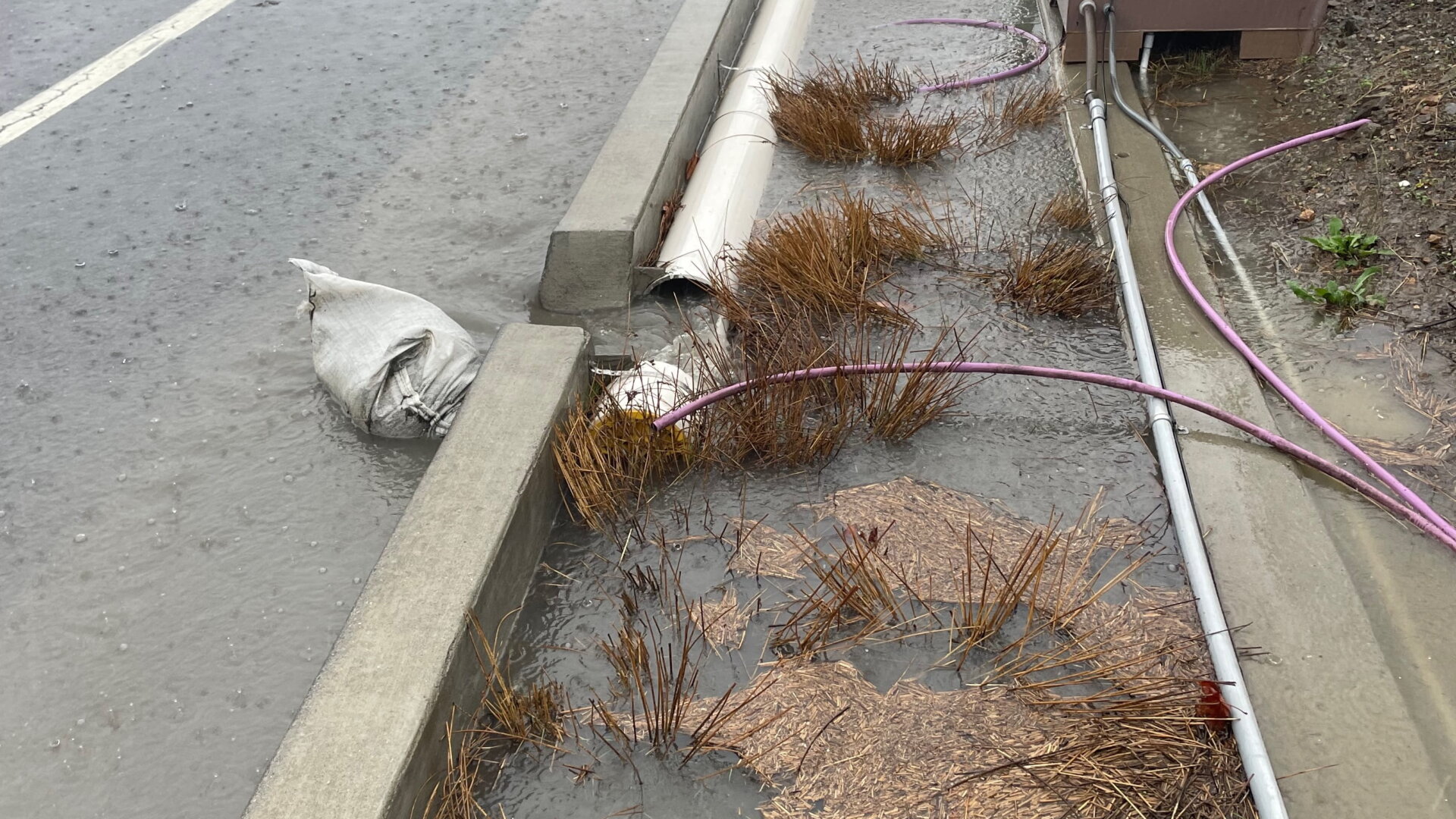
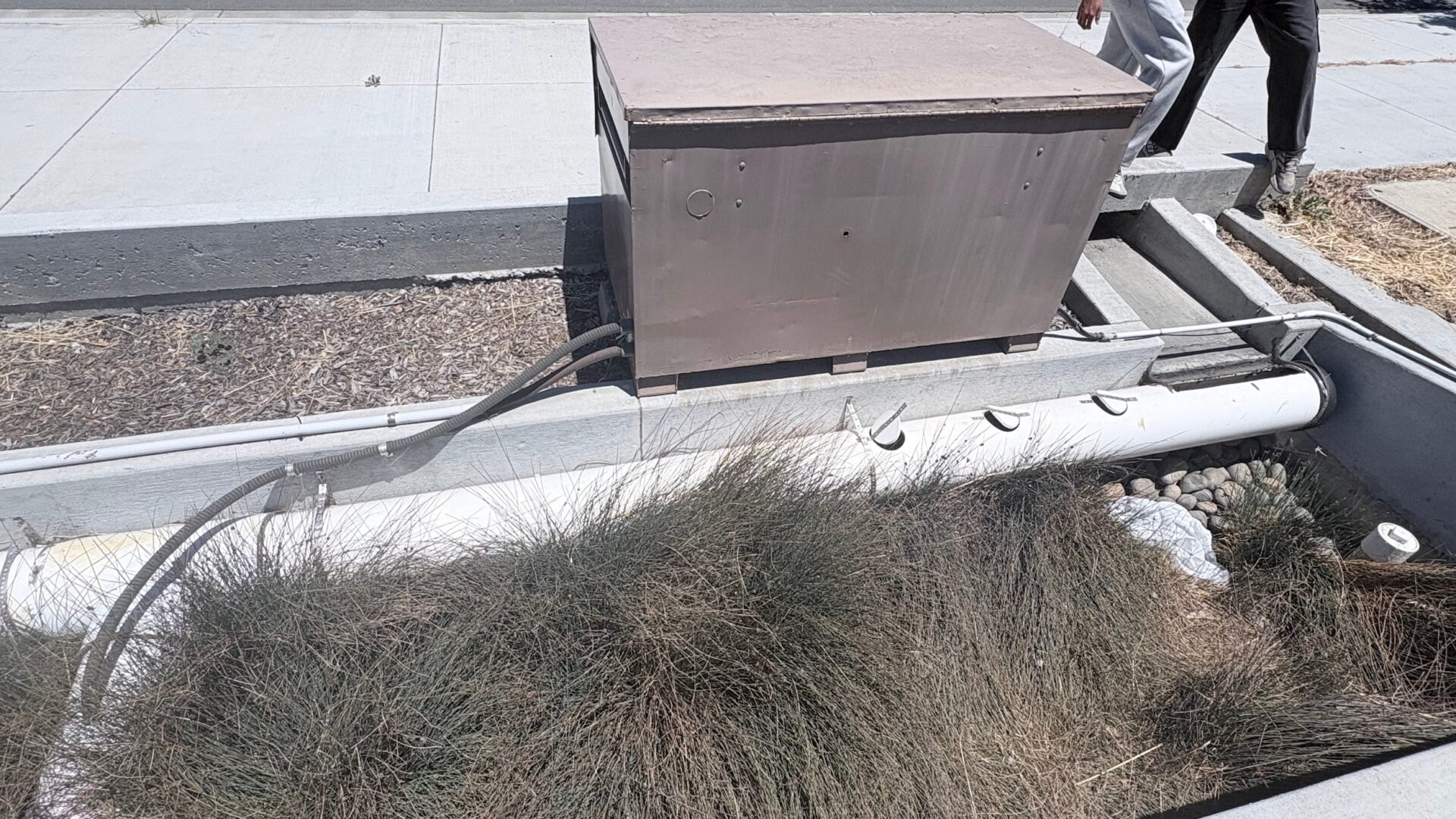
Many bioretention sites are supposed to filter stormwater runoff before it reaches creeks and the Bay, but it is hard to know how well they are working during real storms. Professional monitoring equipment can cost thousands of dollars per site, so many sites are inspected mostly by sight. This makes problems like sediment buildup, clogging, poor drainage, or long ponding time harder to catch early.
Our Plan
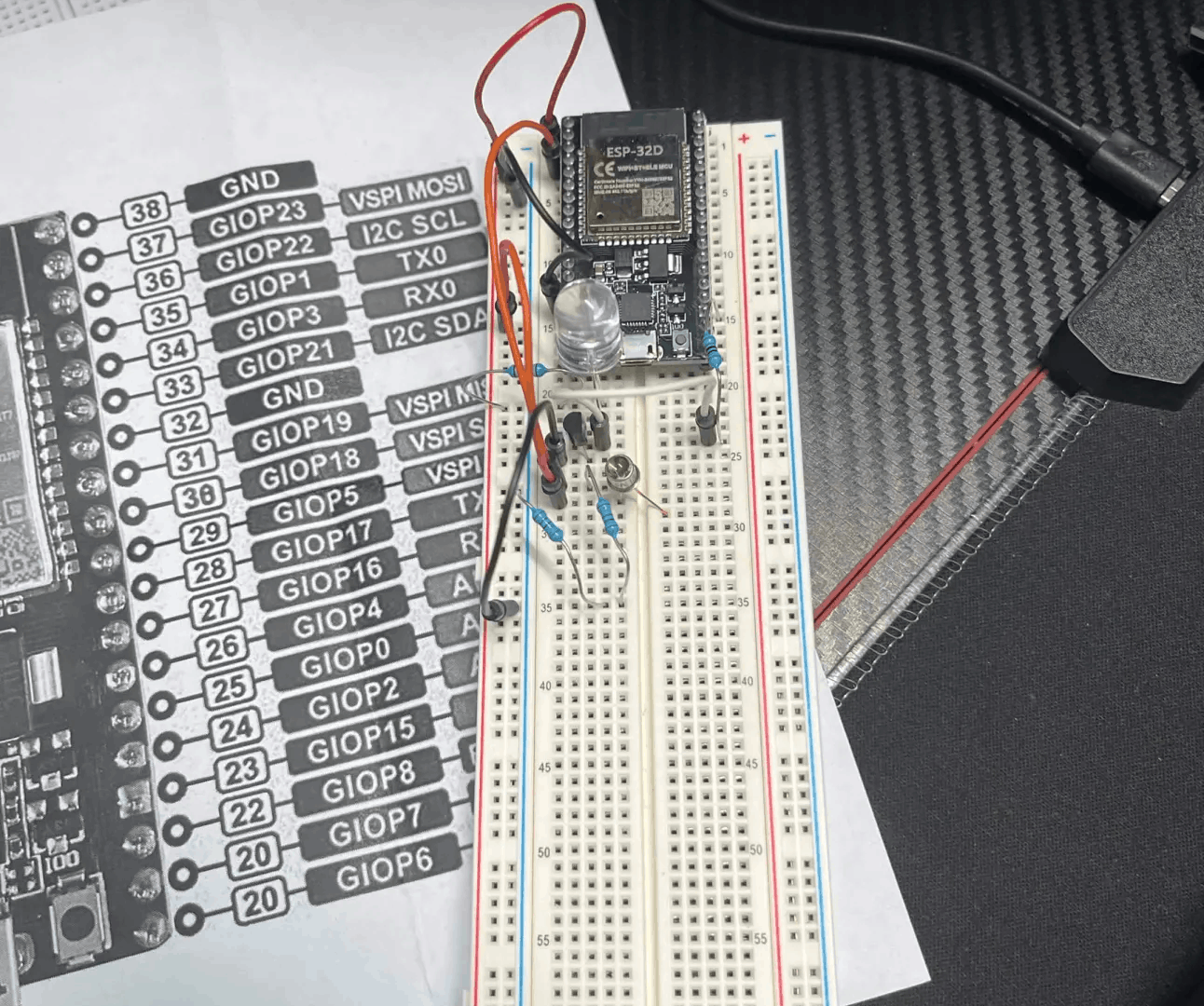
We are building and testing Rill, a low-cost stormwater monitoring sensor for bioretention sites. Our team will use turbidity sensors, water-depth detection, waterproof housing, data logging, batteries, and 3D-printed parts to track when runoff enters a site, how sediment-heavy the water is, and how drainage changes over time. We will test the prototype, improve the design, and share the results through a demo or project report.