The Problem
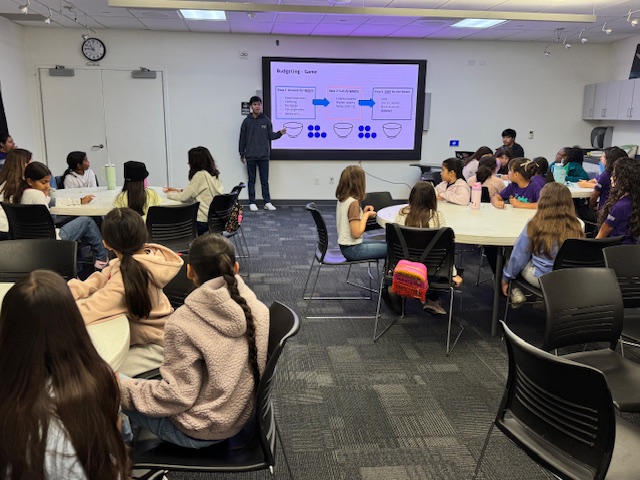
Personal Story: Since a young age, I have always been curious about my family’s finances and spending and interested in researching companies to invest in. I often engaged in lively conversations with my dad about personal finance. I am also very cautious with my spending; however, as I looked around me, I noticed that many of my peers spent their parents' money on overpriced snacks and items without a care. There is often over consumption and wastefulness among youth. I knew that I had to take action - to raise awareness and educate youth about finances and spending habits. Problem: Financial literacy is a critical life skill, yet it remains largely absent from the education of elementary, middle, and high school students, especially in underrepresented communities. Many young people grow up without exposure to foundational financial concepts such as budgeting, saving, and long-term planning. As a result, students often develop habits centered around overconsumption and instant gratification, without understanding the importance of delayed gratification, financial responsibility, or wealth-building strategies. This gap disproportionately affects underserved communities, where access to financial education is limited or nonexistent. Over time, this contributes to poor financial decision-making, increased economic vulnerability, and a widening wealth gap. Addressing financial literacy early is essential to empowering youth with the tools to make informed decisions, build sustainable habits, and create a more equitable financial future.