The Problem
Florida native bees like sweat bees, mason and leaf cutter bees are losing their habitats and sources for native pollen and nectar as more wild areas are cleared and more exotic and non-native plants are introduced.
Florida native bees like sweat bees, mason and leaf cutter bees are losing their habitats and sources for native pollen and nectar as more wild areas are cleared and more exotic and non-native plants are introduced.
Planting native wildflowers like drummond phlox, spotted horse mint, and tickseed coreopsis. Building bamboo bee hotels and posting signs to protect the areas to educate the public.
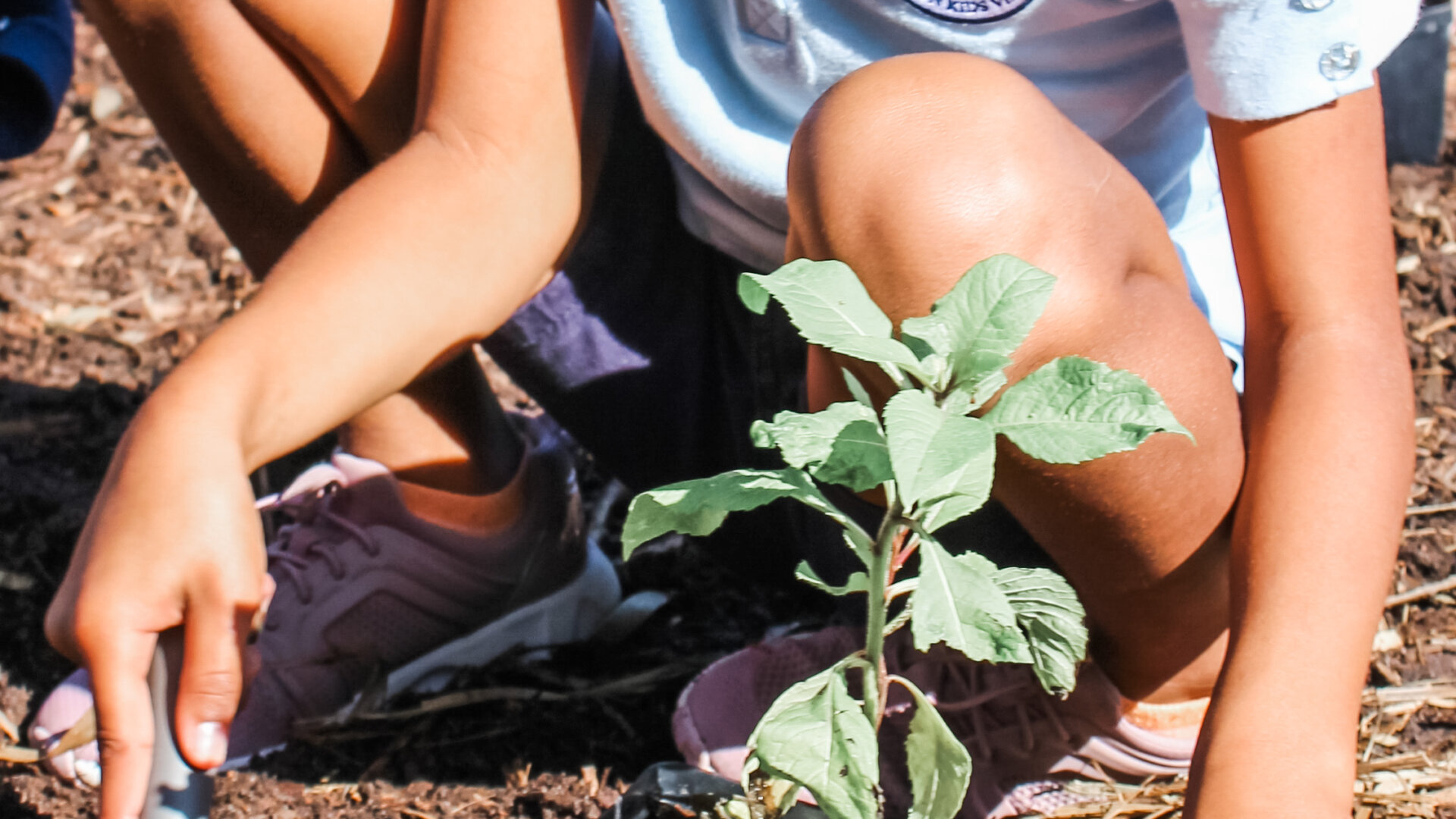
During the 2025–2026 school year, students led the creation of a 200-square-foot pollinator garden to support local biodiversity and provide critical habitat for pollinators. The project began with students researching native pollinators found in Central Florida, including bees, butterflies, moths and birds, and identifying the habitat requirements needed to support them. Students conducted site observations and assessed sunlight, soil conditions, water access, and existing vegetation before developing a garden design that would provide food, water, shelter, and nesting opportunities throughout the year. Student leaders planned and organized the project, communicated goals to the school community through classroom presentations, newsletters, social media, posters, and special events, and worked alongside teachers, families, nonprofit partners, and community members during planting days. Students developed educational materials explaining the importance of pollinators and how pollinator populations impact ecosystems, food production, and biodiversity. The garden was planted with 20 native flowering plants and 30 native milkweed plants to support monarch butterflies and other native pollinators. Students intentionally selected species that bloom at different times of the year to provide continuous nectar and pollen sources. Habitat features include dense plantings, leaf litter, brush piles, decomposing logs, host plants for caterpillars, bare ground for native bees, standing stems for overwintering insects, an insect watering station, and a butterfly puddling area. A bird feeder was also installed to increase habitat diversity.
Students spent over 10 hours learning outdoors while engaging in habitat design, planting, monitoring, maintenance, and scientific observation. Learning activities connected to life science, earth science, engineering, language arts, social studies, art, and social-emotional learning. Students practiced responsible decision-making, relationship skills, social awareness, self-management, and self-awareness as they collaborated to solve problems and care for the habitat. To measure impact, students established baseline observations of pollinator activity before planting and conducted regular monitoring throughout the school year. Students recorded pollinator sightings, flowering periods, plant survival rates, and habitat usage by bees, butterflies, moths and birds. These observations showed increased pollinator visits and greater biodiversity in the area as the garden became established. Students used the collected data to evaluate the effectiveness of different habitat elements and discuss future improvements. The project strengthened community partnerships by involving families, local businesses, nonprofit organizations, and community leaders in planning, planting, and celebrating the garden. Through presentations, newsletters, and social media outreach, students encouraged others to create pollinator-friendly habitats at home and in the community. This action has created a lasting outdoor learning space that supports native wildlife, promotes environmental stewardship, and demonstrates how student-led conservation efforts can contribute to healthier ecosystems and more sustainable communities.
If we were to repeat this project, we would improve our pollinator monitoring process by collecting more specific species-level data. While student groups successfully tracked general categories such as butterflies, moths, birds, and insects, future monitoring could focus on identifying and documenting individual species of butterflies, native bees, birds, and other pollinators. This would provide more meaningful data about biodiversity, help students develop stronger observation and identification skills, and allow us to better measure the impact of the habitat over time.
Our favorite part of this project was seeing the entire school community come together to support the pollinator garden. Students from multiple grade levels participated in planting, monitoring, and caring for the habitat. It was exciting to watch the native plants and seeds grow throughout the year and even more rewarding to observe the steady increase in pollinator activity. Seeing butterflies, bees, birds, and other beneficial insects regularly visiting the garden helped students recognize that their efforts were making a real difference for local wildlife.
One of our biggest lessons learned involved the insect and bird houses we installed throughout the habitat. Several commercially purchased bamboo houses began to break down after only a month of exposure to Florida's weather. We found that these structures benefit from stronger hardware and a natural, wildlife-safe sealant that helps protect them from the elements without harming insects or deterring nesting activity. A surprising discovery was that the clay insect house proved to be the most durable and weather-resistant habitat structure in our garden. While wooden houses required repairs, the clay structure remained intact and functional throughout the season. For schools interested in creating pollinator habitats, we recommend exploring clay-based nesting structures as a long-lasting and sustainable option. Fun fact: Many native bees are solitary and do not live in hives like honeybees. Instead, they nest in small cavities, hollow stems, or underground tunnels, making insect houses and natural nesting areas valuable additions to any pollinator garden.